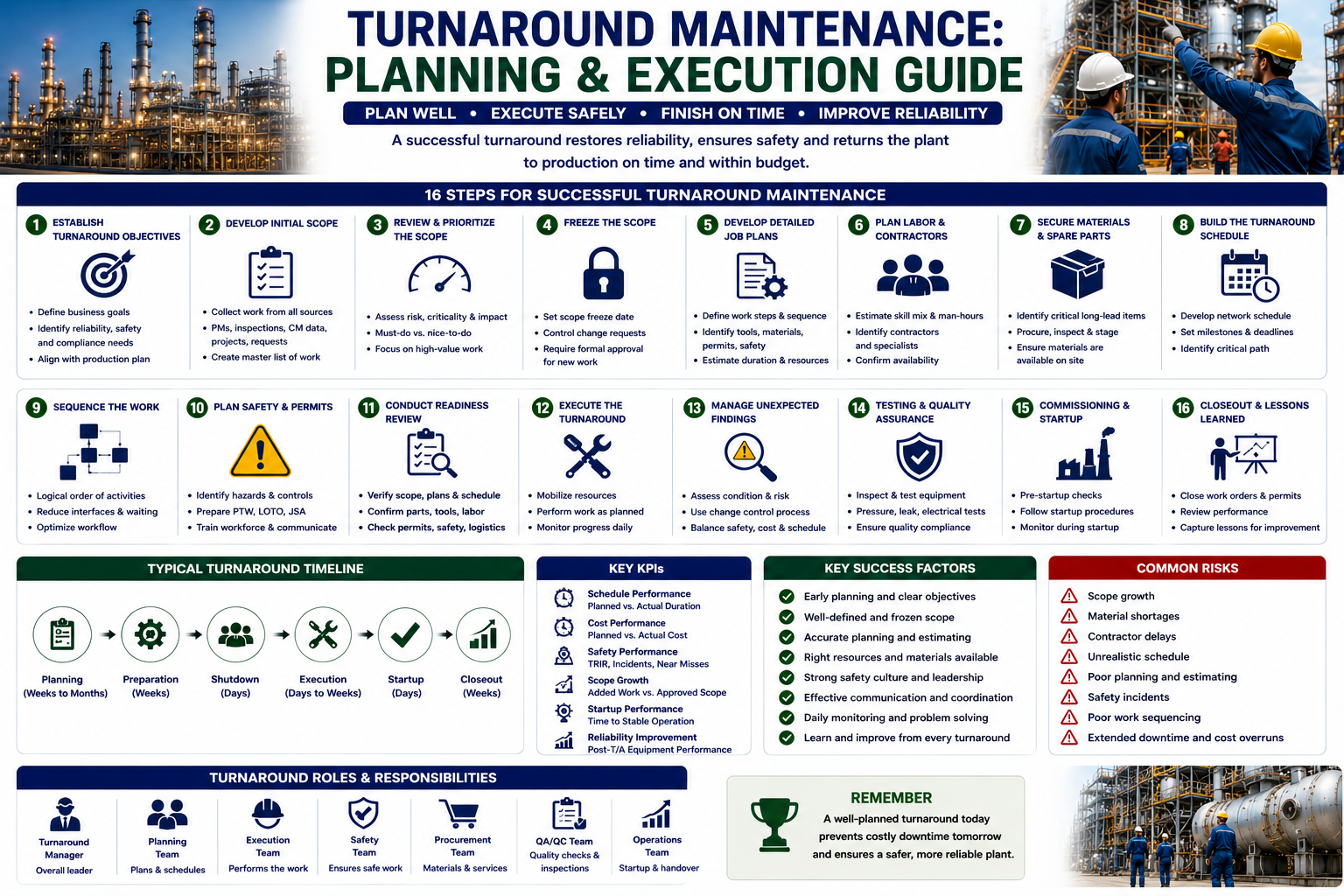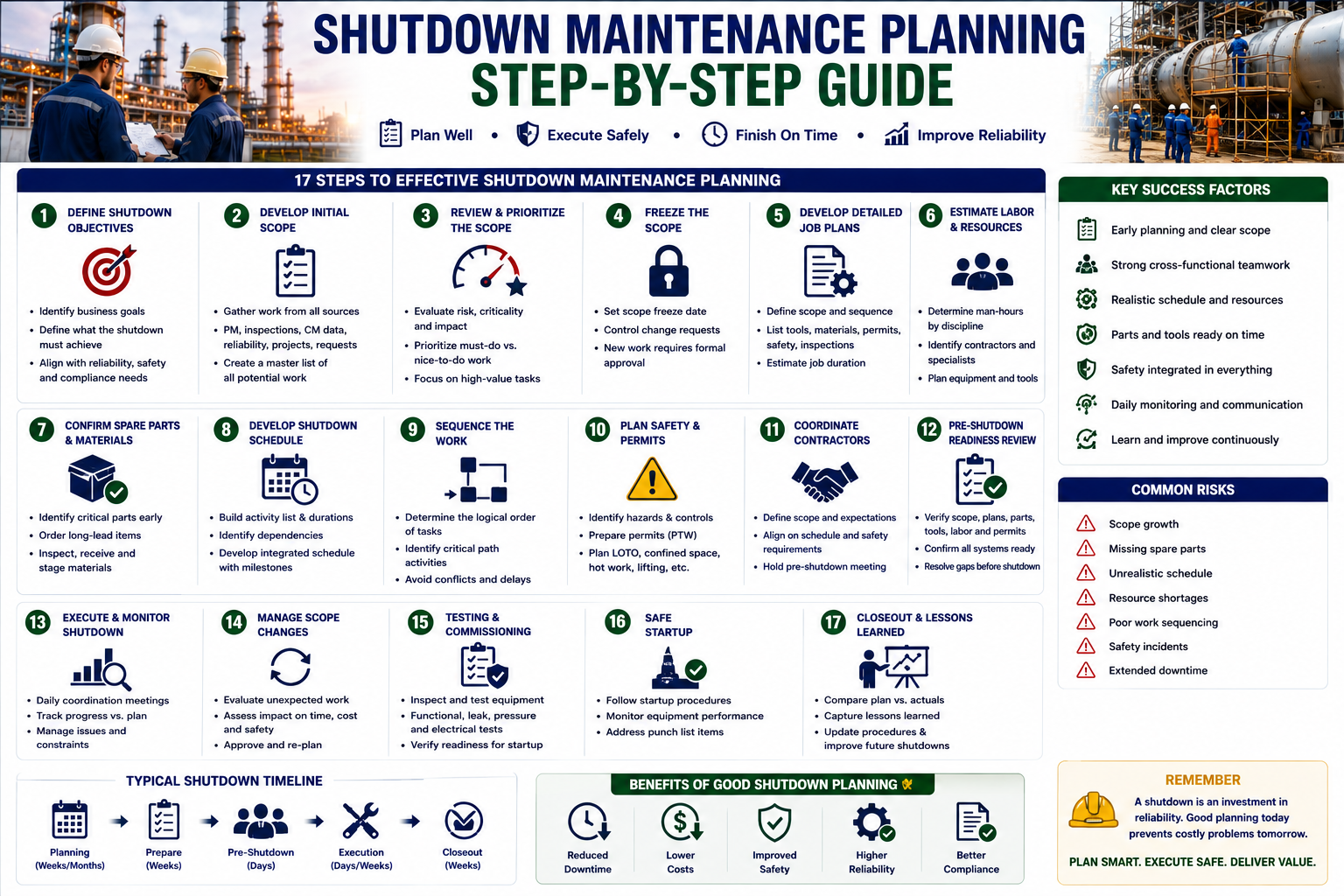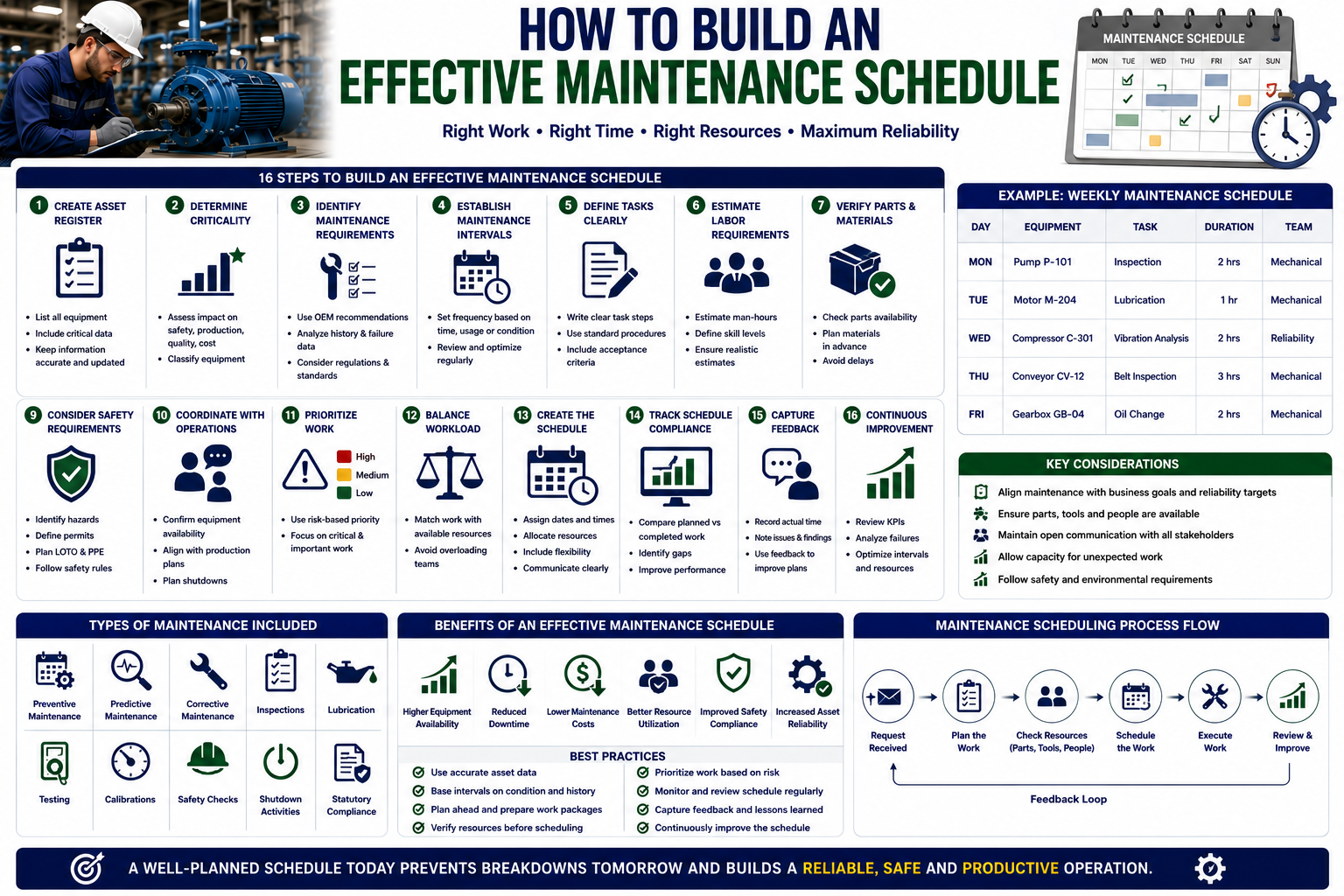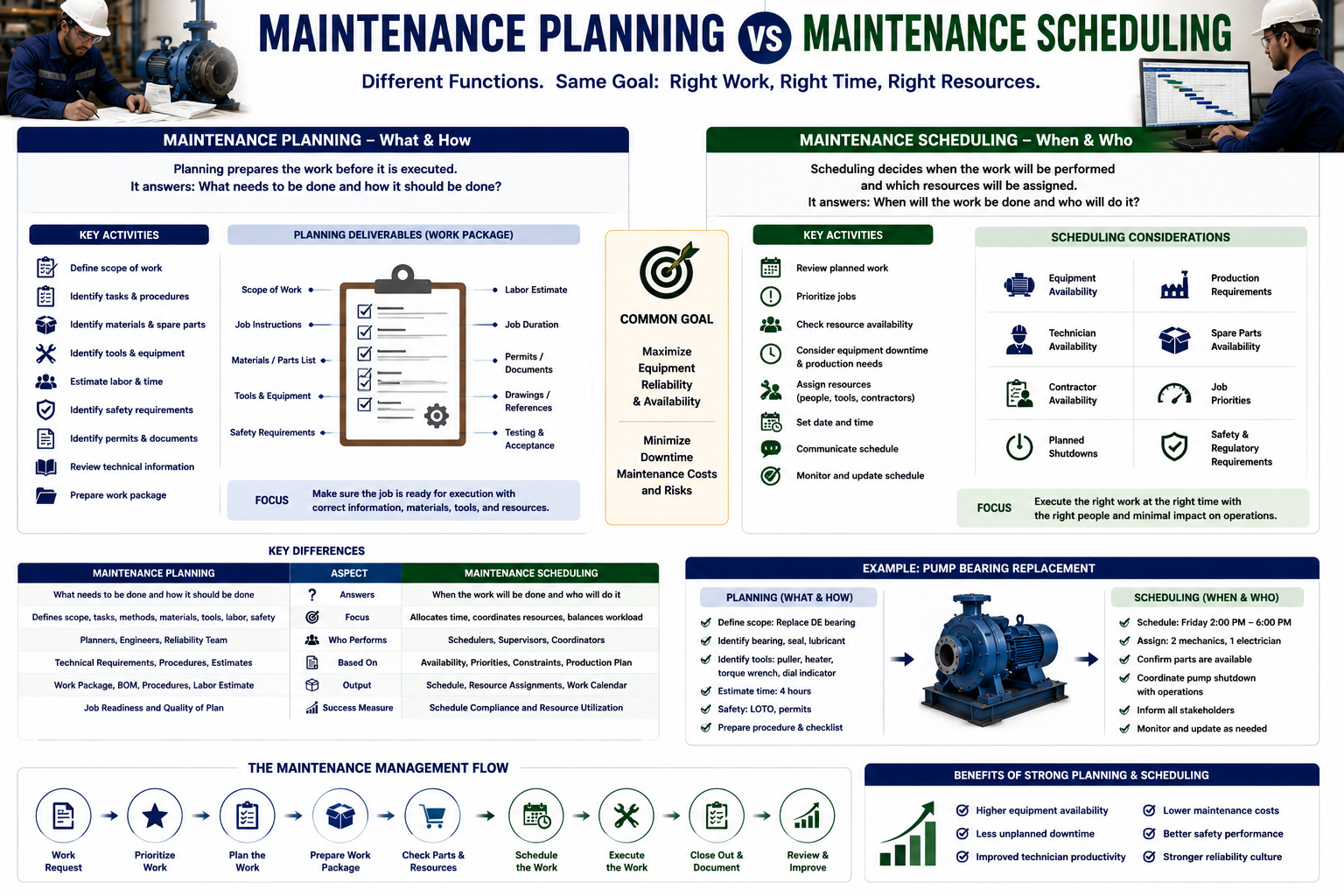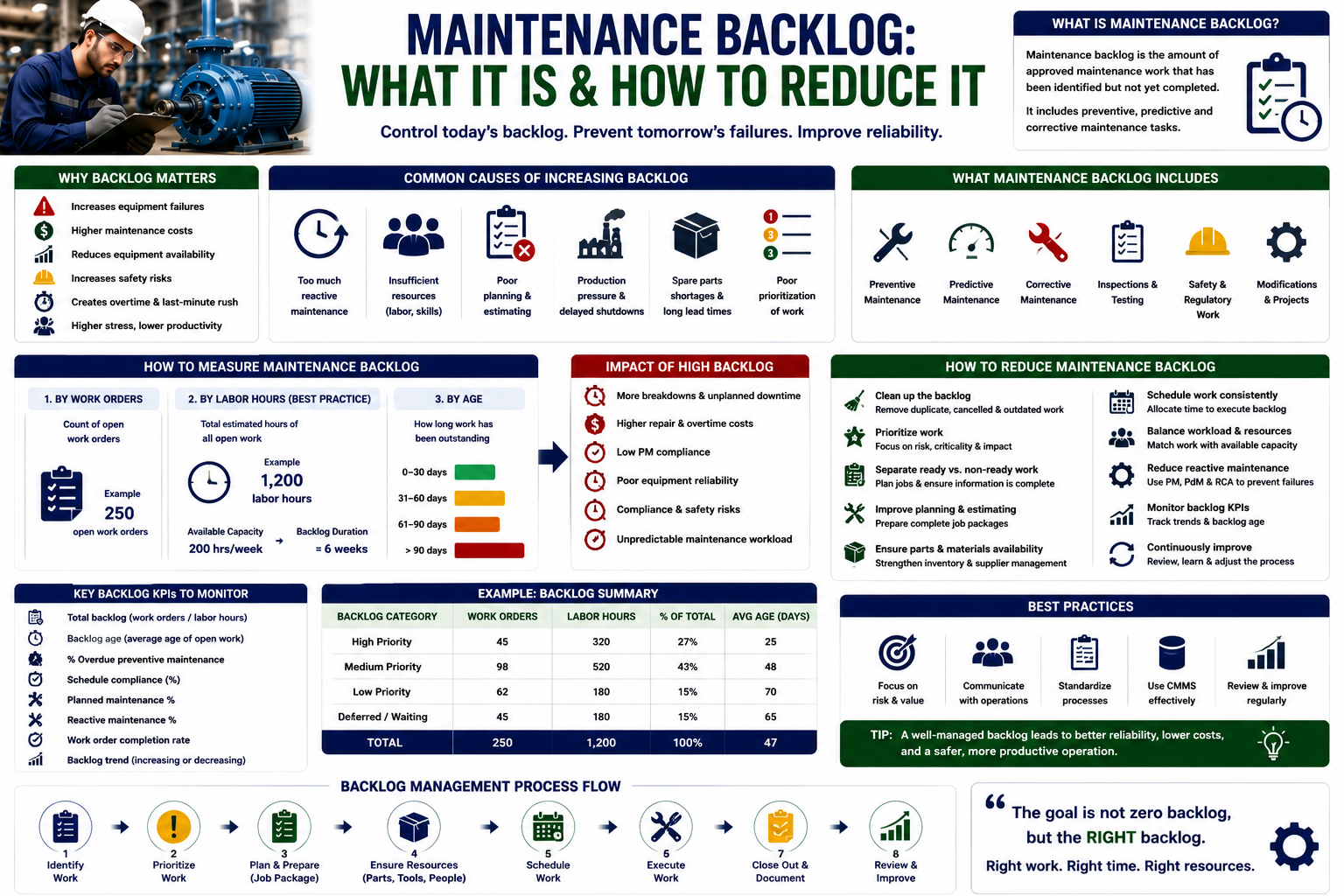
A maintenance backlog is one of the most important indicators of maintenance workload and organizational performance. Every maintenance department has a certain amount of work waiting to be completed, but when that workload continues to grow faster than the team can handle it, the backlog can become a serious reliability and operational problem.
An uncontrolled maintenance backlog can result in delayed preventive maintenance, increased equipment failures, excessive overtime, higher maintenance costs, and greater safety risks.
On the other hand, a properly managed backlog gives maintenance teams visibility into future work and helps them plan labor, materials, tools, and equipment more effectively.
Understanding what maintenance backlog means, why it grows, and how to reduce it is therefore essential for any organization seeking to improve maintenance productivity, equipment reliability, and asset availability.
What Is Maintenance Backlog?
Maintenance backlog is the amount of approved maintenance work that has not yet been completed.
This can include:
- Preventive maintenance tasks
- Corrective maintenance
- Inspections
- Equipment repairs
- Lubrication tasks
- Modifications
- Safety-related maintenance
- Reliability improvement work
- Statutory inspections
Backlog does not necessarily mean that maintenance is poorly managed.
A reasonable amount of backlog is normal and can actually help keep maintenance teams productive. The problem occurs when the backlog becomes excessive, grows continuously, or contains high-risk work that should have been completed earlier.
You may also like: Different Types of Pumps Used in Industry & Home Every Day
What Does a Maintenance Backlog Include?
A maintenance backlog can contain work at different stages.
For example:
Planned Work
Jobs that have been identified and planned but have not yet been scheduled.
Ready-to-Schedule Work
Jobs for which labor, materials, tools, and other requirements have been prepared.
Scheduled Work
Jobs that have been assigned a specific execution date but have not yet been completed.
Deferred Work
Maintenance that has been intentionally postponed because of production requirements, resource limitations, or risk-based decisions.
It is useful to categorize backlog so maintenance managers understand not only how much work exists, but also what type of work is waiting.
Why Does Maintenance Backlog Increase?
There are many reasons a maintenance backlog can grow.
1. Too Much Reactive Maintenance
When maintenance teams spend most of their time responding to breakdowns, planned maintenance gets delayed.
This creates a cycle:
Breakdowns increase → Reactive work increases → Planned work is delayed → Equipment condition deteriorates → More breakdowns occur
Breaking this cycle is one of the most important goals of proactive maintenance management.
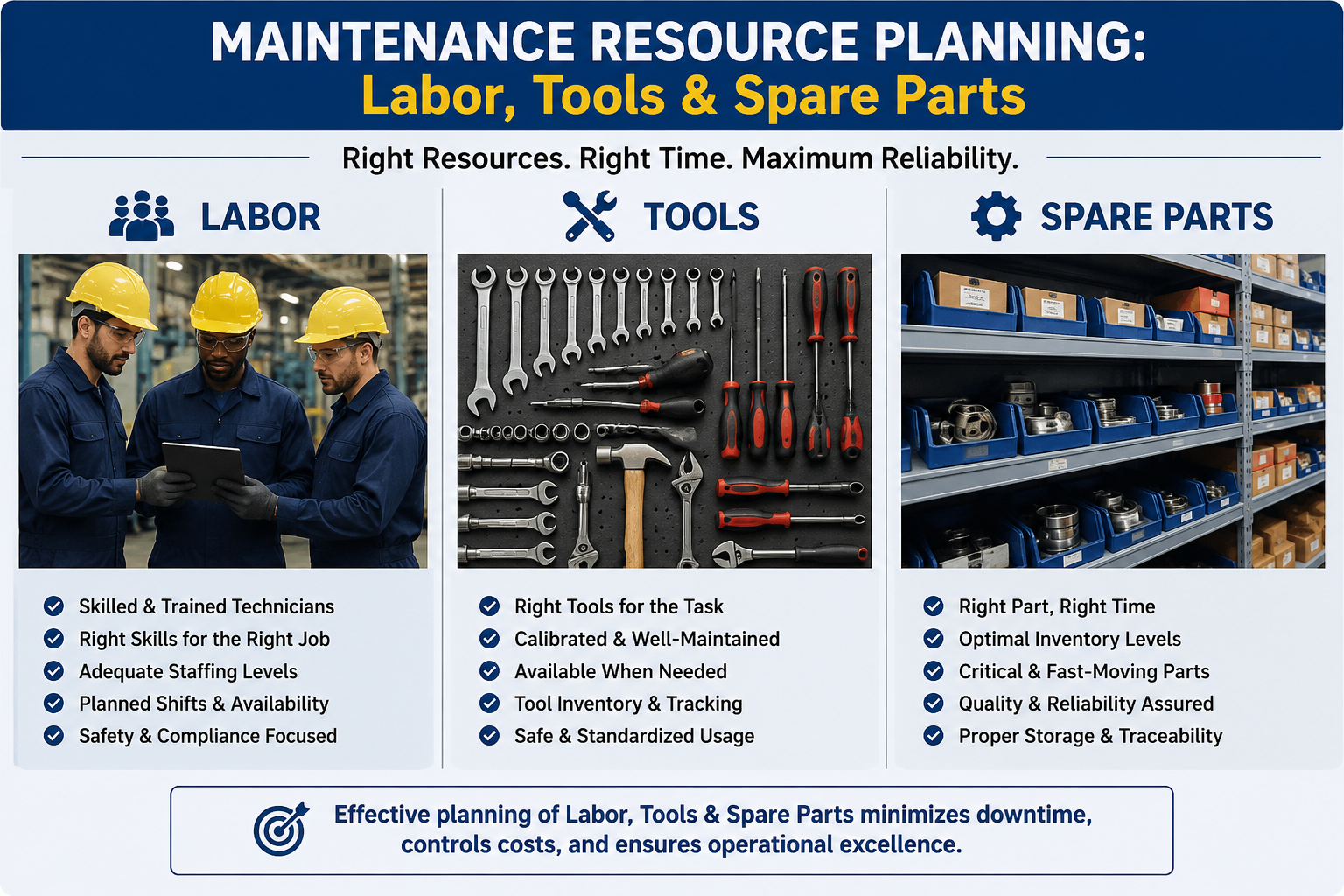
2. Insufficient Maintenance Resources
A backlog may increase when there are not enough:
- Technicians
- Planners
- Supervisors
- Specialists
- Contractors
- Tools
- Spare parts
If workload consistently exceeds available capacity, the backlog will naturally grow.
3. Poor Maintenance Planning
Poorly planned jobs can take longer than expected.
Technicians may arrive without:
- Correct spare parts
- Proper tools
- Technical information
- Required permits
- Additional personnel
This reduces productivity and causes planned work to remain incomplete.
4. Poor Prioritization
Not every maintenance job has the same importance.
If low-priority tasks are completed while critical reliability problems remain unresolved, the backlog may continue growing in areas that matter most.
5. Production Pressure
Maintenance work often competes with production requirements.
Operations may delay equipment shutdowns because of:
- High production demand
- Customer requirements
- Production targets
- Limited backup equipment
Repeated postponement can cause maintenance backlog to increase.
6. Spare-Parts Shortages
A maintenance job may remain open for weeks because a required component is unavailable.
Examples include:
- Bearings
- Motors
- Seals
- Gaskets
- Valves
- Sensors
- Electrical components
Poor inventory management can therefore contribute directly to maintenance backlog.
Why Is Maintenance Backlog a Problem?
An excessive backlog can have serious consequences.
Increased Equipment Failures
Deferred maintenance can allow small defects to develop into major failures.
Higher Maintenance Costs
Emergency repairs are often more expensive than planned maintenance because they may require overtime, expedited parts, contractors, or emergency services.
Reduced Equipment Availability
Machines may operate with known defects, increasing the probability of downtime.
Increased Safety Risk
Some overdue maintenance tasks may involve safety-critical equipment.
Lower Technician Productivity
Poorly organized work creates waiting time and unnecessary movement.
Increased Stress
A constantly growing backlog can put significant pressure on maintenance personnel.
Maintenance Backlog and Reliability
Backlog management is closely connected to reliability engineering.
Consider a pump with an identified bearing defect.
If the defect is recorded but repeatedly postponed, the bearing may eventually fail catastrophically.
The result could be:
Minor defect → Deferred work → Component deterioration → Major failure → Emergency repair → Production downtime
Effective backlog management aims to intervene earlier.
Instead of waiting for functional failure, the organization schedules the work according to equipment criticality and failure risk.
How to Measure Maintenance Backlog
Maintenance backlog can be measured in several ways.
Work Orders
The simplest measurement is the number of outstanding work orders.
For example:
Total backlog = 250 open maintenance work orders
However, the number of work orders alone does not tell you how much effort is required.
Labor Hours
A better approach is to measure backlog in estimated labor hours.
For example:
Maintenance backlog = 1,200 labor hours
If the maintenance team has 200 available productive labor hours per week, the theoretical backlog is:
1,200 ÷ 200 = 6 weeks
This provides a more useful indication of workload.
Backlog Age
Organizations should also examine how long work has remained outstanding.
For example:
- 0–30 days
- 31–60 days
- 61–90 days
- More than 90 days
A growing number of old work orders can indicate poor prioritization or inadequate capacity.
What Is the Ideal Maintenance Backlog?
There is no universal backlog number that is correct for every organization.
The appropriate backlog depends on:
- Equipment population
- Maintenance strategy
- Workforce size
- Industry
- Operating conditions
- Asset criticality
- Planned shutdowns
- Regulatory requirements
The objective should not be to eliminate backlog completely.
A maintenance department needs enough planned work to keep technicians productive.
The goal is to maintain a controlled and prioritized backlog.
How to Reduce Maintenance Backlog
Step 1: Clean Up the Backlog
Start by reviewing all open work orders.
Identify:
- Duplicate requests
- Cancelled work
- Incorrect requests
- Completed but unclosed work
- Low-value tasks
- Jobs with insufficient information
Remove invalid or unnecessary work.
A backlog cleanup can sometimes reduce the apparent backlog significantly without increasing maintenance labor.
Step 2: Prioritize Work
Classify work based on risk and business impact.
A practical system may include:
Critical: Immediate action required.
High: Work required soon to prevent significant risk.
Medium: Important work that can be planned.
Low: Work that can be completed when resources permit.
Prioritization should consider safety, environment, production, asset criticality, and failure consequences.
Step 3: Separate Ready and Non-Ready Work
Not all backlog work is ready for execution.
Separate jobs that are:
- Fully planned
- Waiting for materials
- Waiting for engineering
- Waiting for equipment access
- Waiting for a contractor
- Waiting for production shutdown
This makes it easier to identify the actual constraints.
Step 4: Improve Maintenance Planning
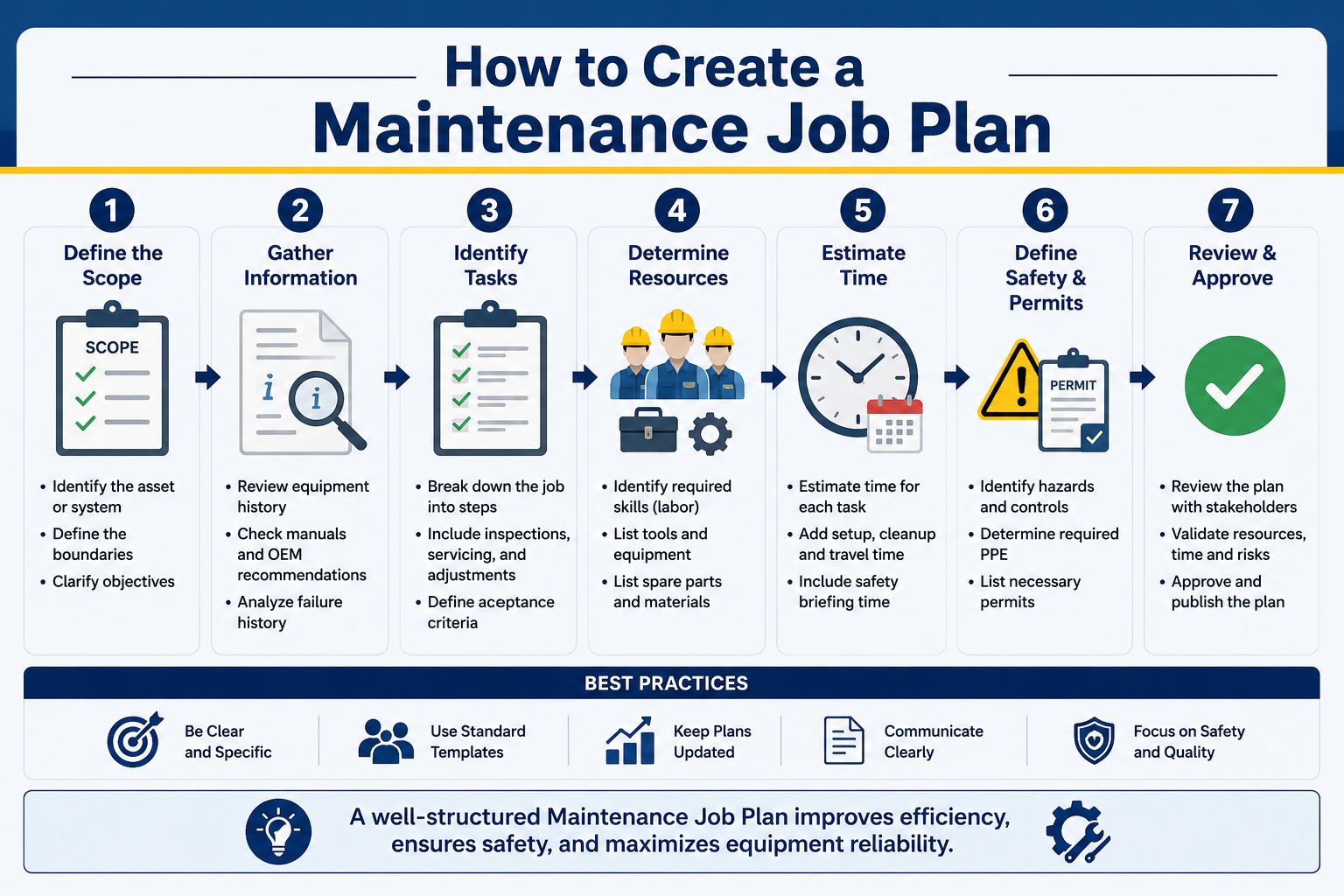
Good planning can significantly increase productivity.
A planned job should have:
- Clear scope
- Work instructions
- Labor estimate
- Required parts
- Tools
- Safety requirements
- Equipment access requirements
Better planning reduces delays during execution.
Step 5: Improve Spare-Parts Availability
Critical maintenance materials should be identified in advance.
Inventory strategies can include:
- Critical-spares lists
- Minimum stock levels
- Reorder points
- Supplier agreements
- Lead-time monitoring
The objective is to ensure that important maintenance jobs are not delayed unnecessarily because of material shortages.
Step 6: Schedule Backlog Work Consistently
Backlog reduction should be built into the weekly maintenance schedule.
Instead of continuously postponing old work, maintenance managers should allocate a defined amount of capacity to backlog reduction.
For example:
70% planned maintenance
20% corrective backlog
10% unexpected work
The exact percentages should be determined according to the organization’s operating environment and historical workload.
Step 7: Reduce Reactive Maintenance
Reducing the creation of new backlog is just as important as completing existing work.
Use:
- Preventive maintenance
- Predictive maintenance
- Condition monitoring
- Root Cause Analysis
- Failure Mode and Effects Analysis
- Precision maintenance
These approaches help prevent recurring equipment failures.
Step 8: Improve Work Execution
Technicians should have the correct information, parts, tools, and equipment before starting work.
This improves wrench time and reduces delays.
Step 9: Monitor Backlog KPIs
Useful KPIs include:
- Total backlog hours
- Backlog age
- Percentage of overdue PM
- Schedule compliance
- Planned maintenance percentage
- Reactive maintenance percentage
- Work-order completion rate
- Emergency work percentage
Trends are more important than a single measurement.
If backlog falls consistently over several months, the maintenance process is likely improving.
The Role of a CMMS in Backlog Management
A Computerized Maintenance Management System (CMMS) can make backlog management much easier.
A CMMS can help maintenance teams:
- Track open work orders
- Assign priorities
- Estimate labor
- Monitor job status
- Track spare parts
- Schedule work
- Identify overdue tasks
- Analyze backlog trends
- Maintain equipment history
A well-maintained CMMS provides managers with visibility into the maintenance workload.
However, software cannot solve a backlog problem by itself.
The organization must still have effective planning, prioritization, scheduling, execution, and continuous improvement processes.
Common Mistakes in Backlog Reduction
Trying to Eliminate All Backlog
Zero backlog is usually unrealistic and may encourage poor maintenance decisions.
Closing Work Orders Without Doing the Work
Artificially reducing backlog numbers does not improve equipment reliability.
Ignoring Old Work
Old work orders should be reviewed carefully to determine whether they are still required.
Treating Every Job as Equal
Risk-based prioritization is essential.
Focusing Only on Existing Backlog
If new corrective work continues to enter the system faster than old work is completed, backlog will return.
Best Practices for Maintenance Backlog Management
A strong backlog-management system should:
- Maintain accurate work orders.
- Remove duplicate and obsolete requests.
- Prioritize work according to risk.
- Separate ready and non-ready work.
- Improve maintenance planning.
- Ensure parts availability.
- Schedule backlog work consistently.
- Reduce reactive maintenance.
- Track backlog age.
- Monitor labor-hour backlog.
- Review overdue preventive maintenance.
- Perform Root Cause Analysis on recurring failures.
- Use CMMS data effectively.
- Review backlog trends regularly.