Ask anyone who’s spent time on a grain leg or a cement plant floor and they’ll tell you the same thing — moving bulk material vertically is where most systems either shine or fall apart. That’s the whole reason the bucket elevator conveyor exists. It’s not flashy engineering. It’s buckets, a belt or chain, and gravity working against each other in a very controlled way. We’ve worked around enough of these setups at Mechstera to say this plainly: when a plant needs to lift grain, ore, cement, or fertilizer from one level to another without babysitting the process, this is usually the equipment that gets the call.
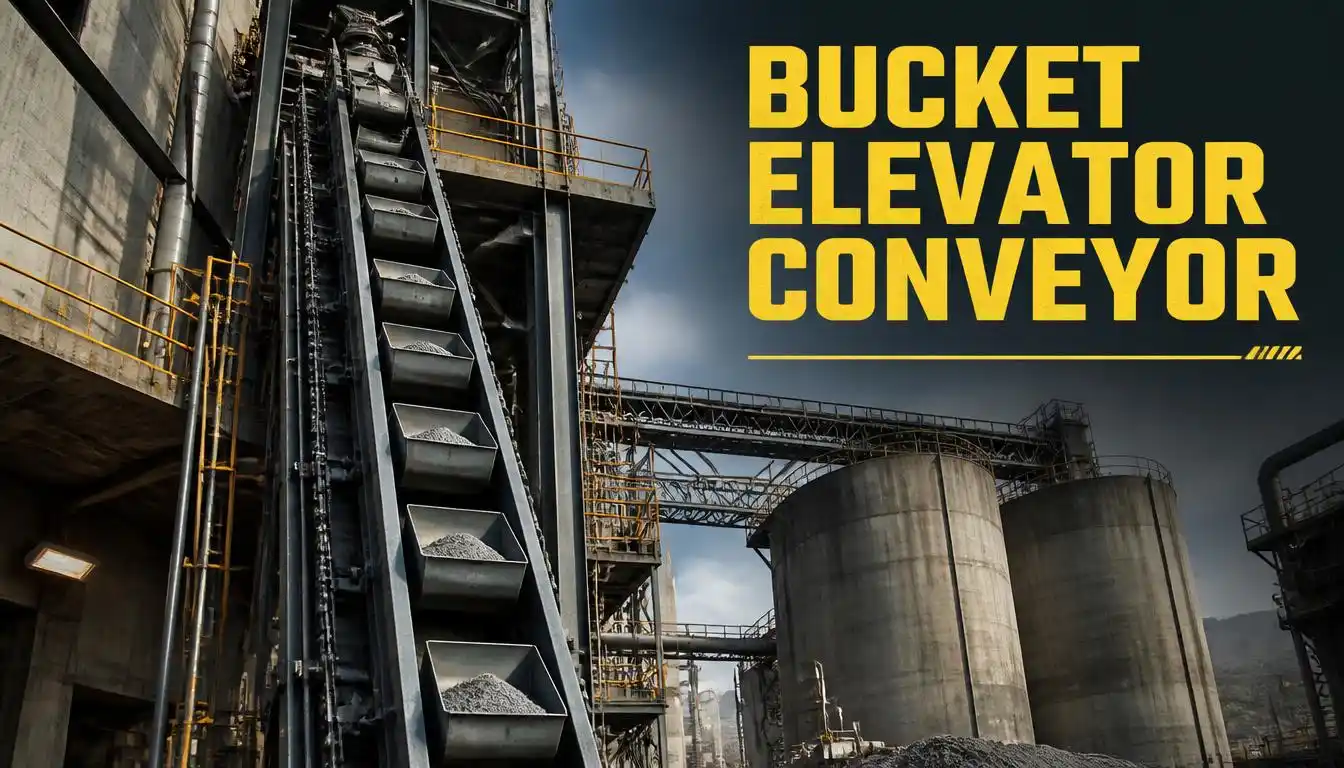
A bucket conveyor system, at its core, is doing one job — scooping material at the bottom (the “boot”), carrying it up, and dumping it at the top (the “head”) through a chute. Simple concept. But the details of how that scooping and dumping happens is where a lot of engineering judgment comes in, and it’s also where a lot of buyers make mistakes by picking equipment based on price instead of material behavior.
How a Bucket Elevator Conveyor Actually Works
In practice, the elevator bucket conveyor runs on a loop — belt or chain — with buckets fixed at regular intervals. Material drops into the boot section, gets scooped up as buckets pass through it, rides up the casing, and gets thrown or tipped out at the head. Depending on design, discharge happens through centrifugal force (fast-moving buckets fling material outward) or continuous, gentler dumping where each bucket empties into the one below it before it reaches the top.
Here’s the thing buyers often miss: speed and bucket spacing aren’t arbitrary numbers picked by an engineer for fun. They’re tuned to the material. Fast, free-flowing grain behaves completely differently under centrifugal discharge than a fine, dusty powder would. Push the wrong material through the wrong configuration and you get spillage, excess wear, or product damage none of which shows up on a spec sheet until it’s already installed.
Choosing the Right Bucket Conveyor System
Selecting equipment starts with understanding what’s actually being moved. Abrasive materials chew through belts fast, so chain-driven elevator bucket conveyors tend to hold up better in cement, lime, or mineral operations where grit is a daily reality. Sticky, sluggish materials cause packing issues on a positive discharge conveyor unless bucket size and speed are matched correctly. And anything fragile — cereal, granulated sugar, pharmaceutical granules — needs a continuous bucket conveyor running slow enough that buckets aren’t smashing into each other on the way up.
Lift height matters too, along with horsepower requirements, sanitation needs, and how much floor space a plant can actually spare. A belt bucket elevator, for instance, takes up a noticeably smaller footprint than older chain designs, which is part of why so many facilities with tight layouts default to it. Buyers chasing the cheapest option on paper usually end up paying for it later in maintenance calls, so it pays to look past sticker price toward total operating cost.
Pros and Cons of Bucket Elevators/Conveyors
| Advantages | Disadvantages |
|---|---|
| Compact footprint compared to conventional transport methods | Higher upfront installation cost than some alternatives |
| Handles large volumes with strong, continuous throughput | Requires consistent maintenance attention |
| Weather-resistant, suitable for outdoor or harsh environments | One failed bucket can disrupt the whole line |
| Gentle on delicate materials when properly configured | Not suited for fibrous materials that resist bucket filling |
| Cost-effective over the equipment’s lifespan | Downtime for inspection can affect production schedules |
Types of Chain Bucket Elevators and Belt Systems
Chain bucket elevator designs are the workhorses for abrasive, heavy-lift applications — think aggregates, lime, or mineral processing where a belt would simply wear out too fast. They use dual chains and require regular grease lubrication, but in return they’ll outlast belt systems in gritty environments by a wide margin.
Belt-driven systems, on the other hand, handle wet and dry materials with less friction and lower maintenance overhead. They’re the better fit for powdery or slightly sticky substances where chains would just add unnecessary wear. Positive discharge units add a sprocket or cam mechanism at the head to actively dump contents — useful for pharmaceuticals, snack foods, or anything that can’t afford to jam. Centrifugal designs, meanwhile, are built for speed and free-flowing bulk goods, reaching several hundred feet per minute in grain and fertilizer operations.
Comparison: Chain vs. Belt Bucket Elevators
| Feature | Chain Bucket Elevator | Belt Bucket Elevator |
|---|---|---|
| Best for | Abrasive, heavy-duty materials | Wet, dry, or powdery materials |
| Maintenance | Regular lubrication needed | Lower maintenance overall |
| Footprint | Larger, heavier structure | Compact, space-saving design |
| Wear resistance | High, handles grit well | Moderate, less friction-related wear |
| Typical industries | Cement, lime, minerals | Grain, fertilizer, ore processing |
Where Bucket Conveyor Systems Get Used
Cement plants lean on continuous designs for abrasive material handling, while glass manufacturers do the same since their material doesn’t degrade under repeated handling. Pulp and paper operations use continuous bucket elevators for high-volume waste and ash movement, but switch to centrifugal versions for lighter, non-abrasive fuel transport. Mining and mineral processing split the same way — centrifugal for gentler, non-abrasive loads, continuous for the rougher stuff.
Beyond the big industrial names, there are specialty variations worth knowing. Indexing bucket conveyors deliver precise, timed portions for automated filling and packaging — food and pharmaceutical lines rely on this accuracy constantly. Bucket lifters serve smaller-volume operations needing gentle handling of seeds, powders, or granules. And multiple-discharge systems let one elevated stream feed several downstream processes at once, which cuts down on redundant conveyor runs and saves real floor space.
Keeping a Bucket Elevator Running Right
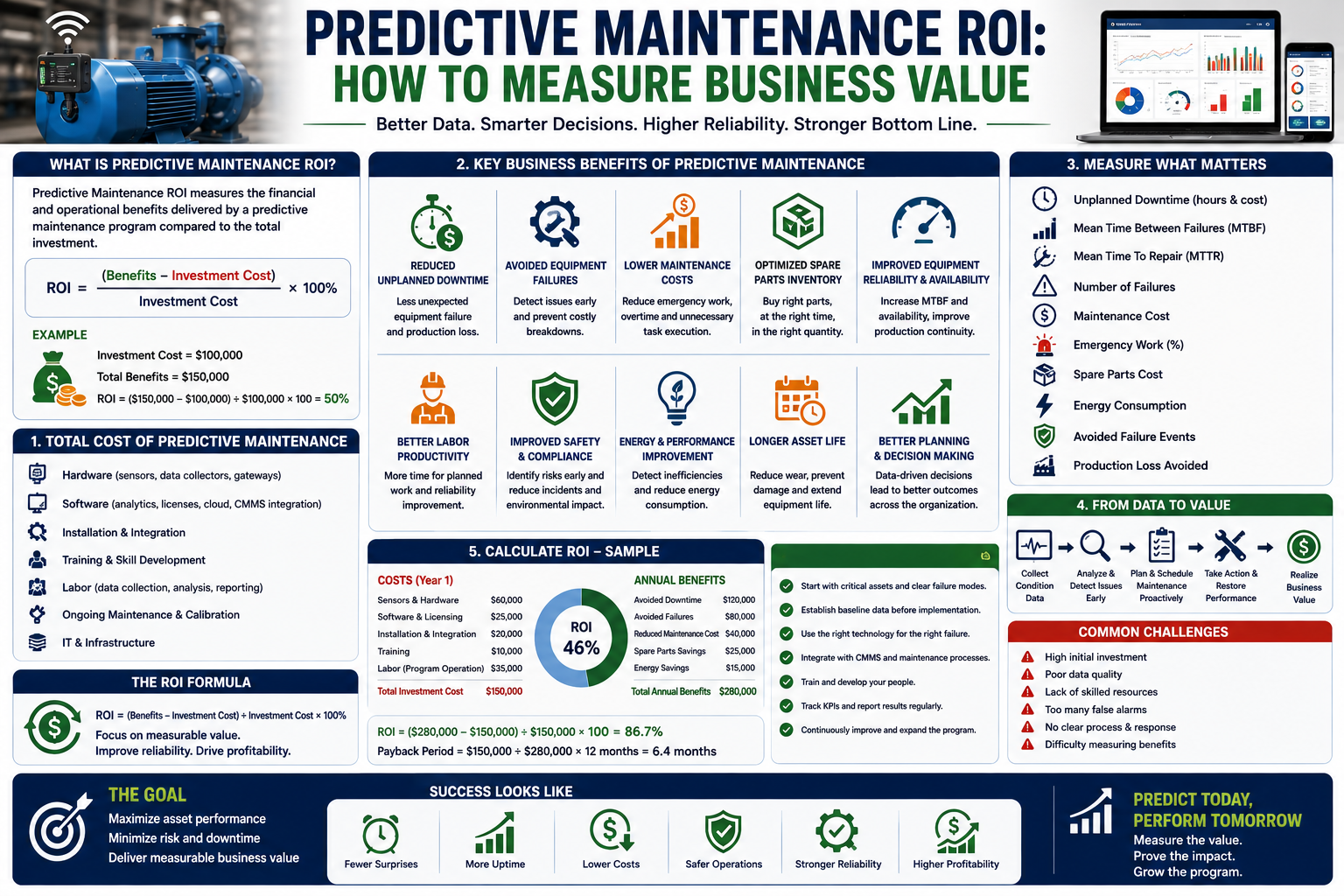
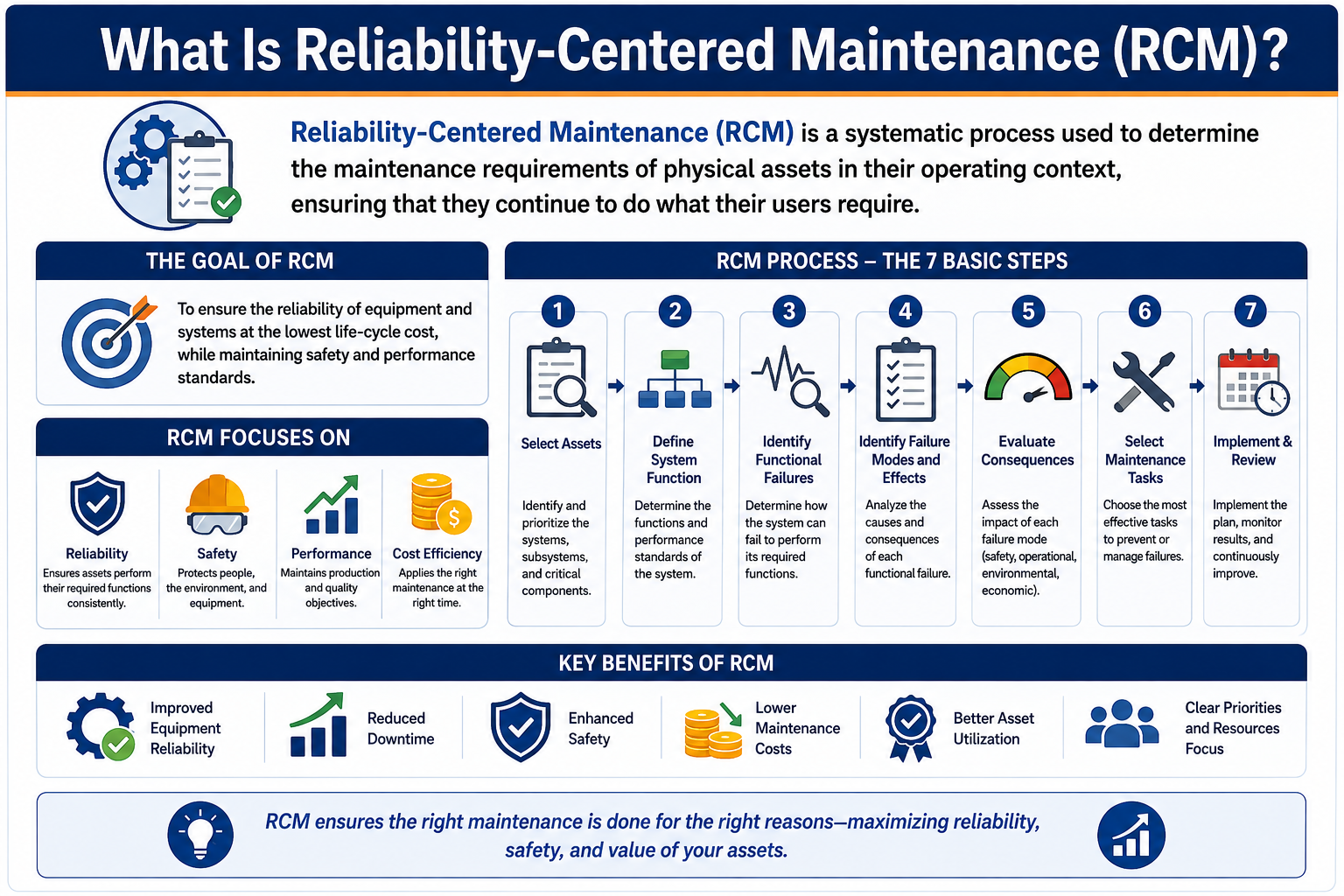
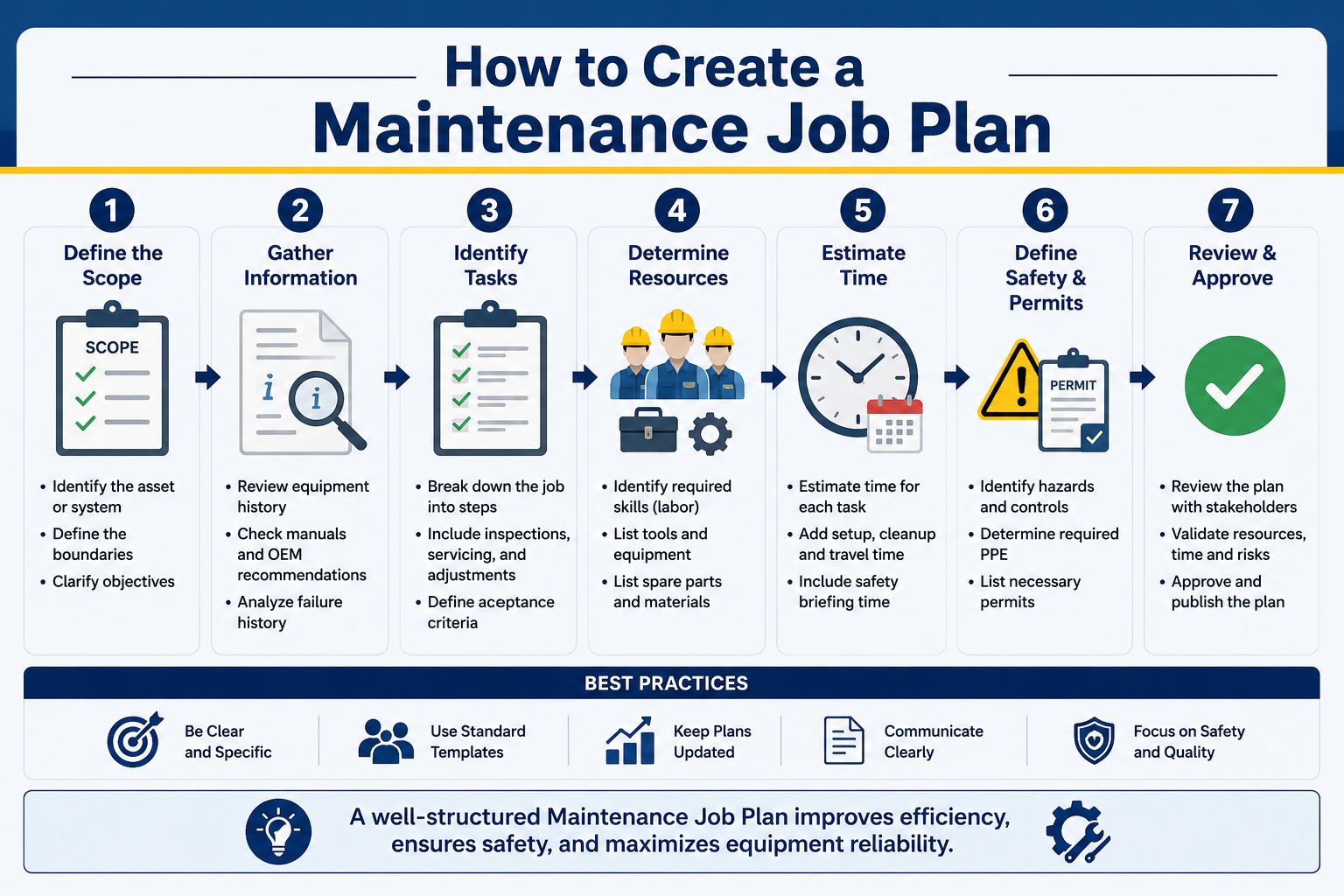
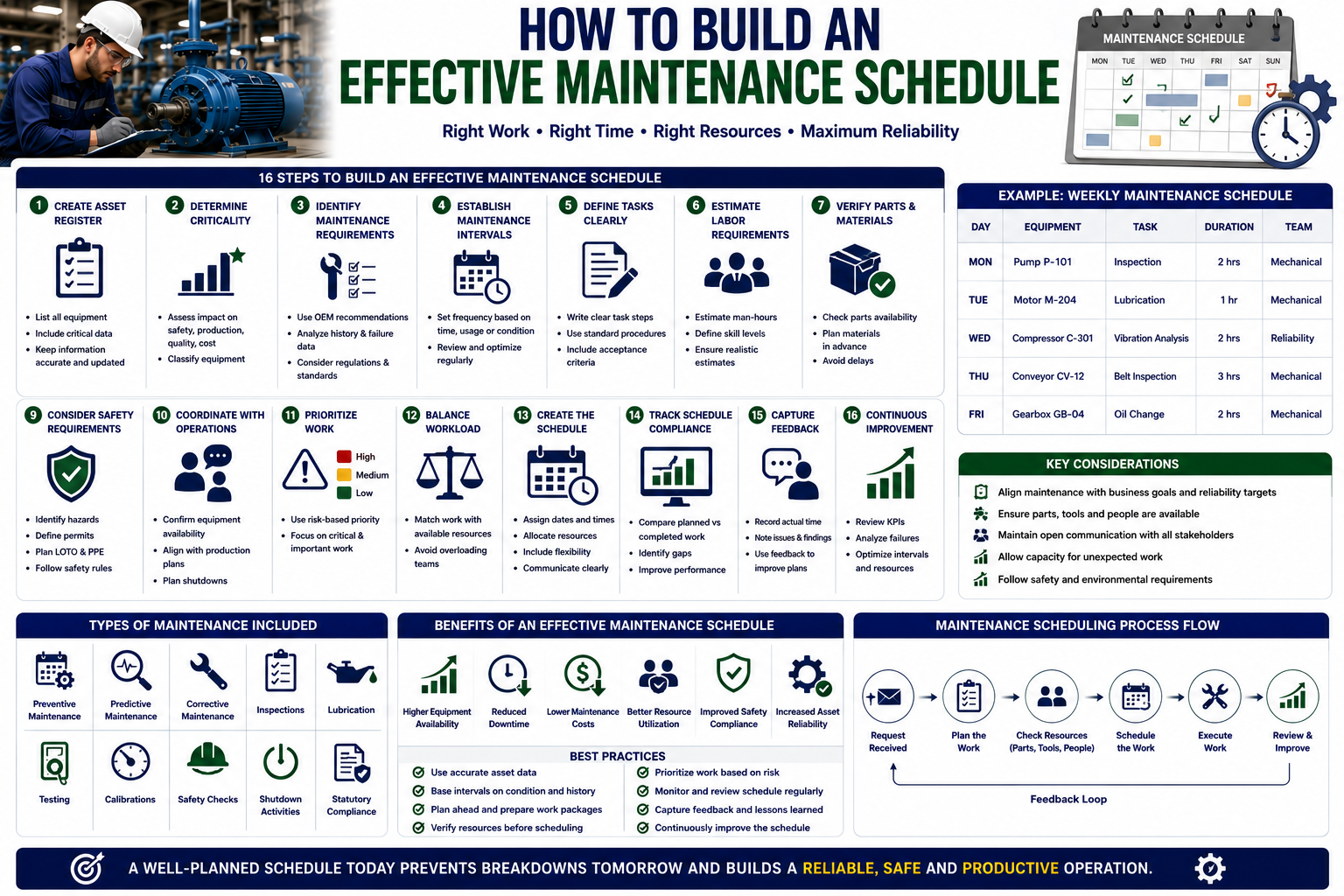
Maintenance isn’t glamorous, but it’s where uptime gets won or lost. Bearing points need lubrication roughly once a week under normal conditions, and chain-driven units should have oil levels checked before every shift. Skipping this is how plants end up with unplanned downtime instead of a five-minute check.
- Inspect belts, chains, sprockets, and pulleys regularly for wear or damage
- Keep detailed maintenance logs, including lubrication dates and part conditions
Splices deserve particular attention since a poorly aligned splice is one of the more common causes of belt failure. Venting also matters more than most people assume — it lets air escape during filling and enter during discharge, which keeps material moving smoothly instead of clumping inside the bucket. None of this is complicated work, but it’s the kind of routine care that separates a system running for a decade from one needing early replacement.
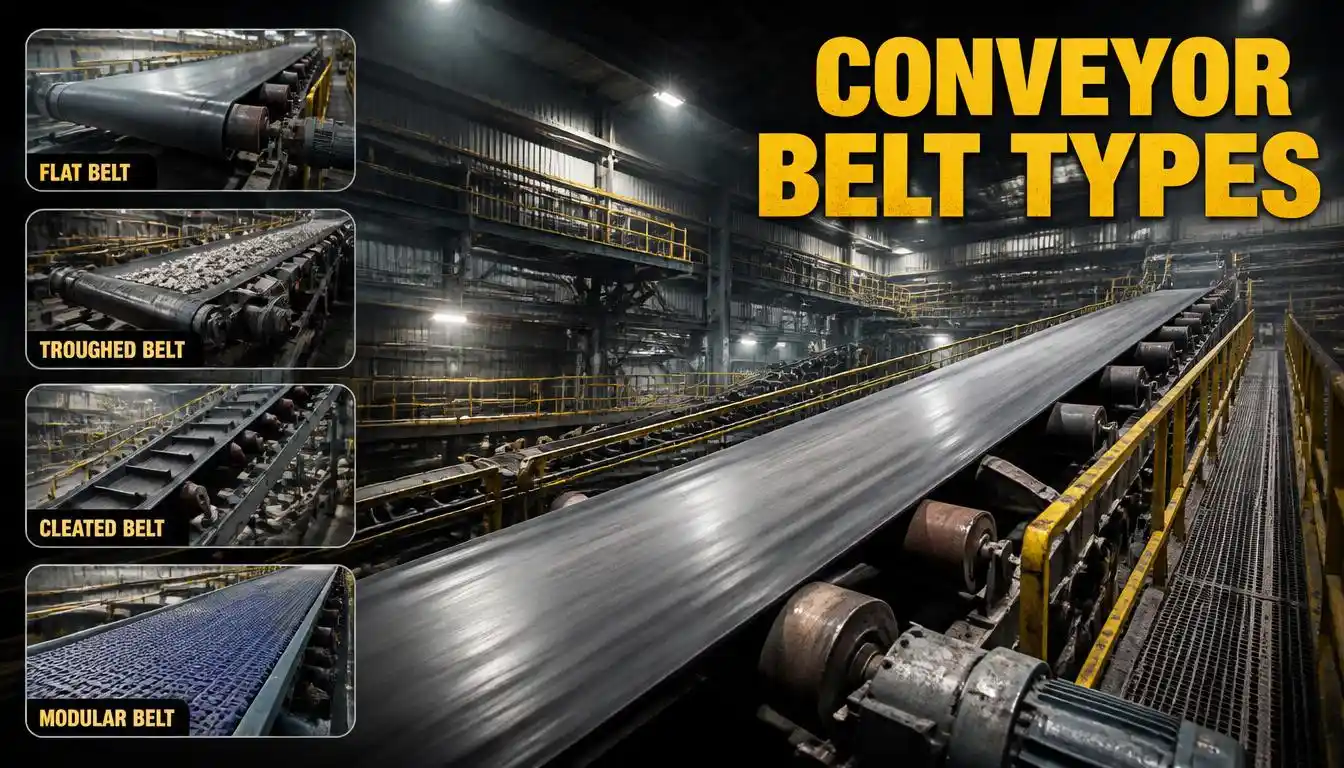
Meanwhile you can also checkout our Blog on :Conveyor Belt Types & Industrial Belt Conveyor Systems in Practice
Safety Isn’t Optional
Lockout-tagout procedures before any inspection or adjustment aren’t bureaucratic overhead — they’re what keeps operators safe around moving chains and belts. Guards need to stay in place, worn parts need to be swapped out immediately, and only trained personnel should be running this equipment. Unusual noise or smell is rarely nothing; it’s usually the first sign something needs attention before it becomes a bigger problem.
Final Thoughts
A bucket elevator conveyor isn’t complicated in concept, but getting the configuration right — bucket style, belt or chain choice, discharge method — takes real attention to the material being handled. At Mechstera, we’ve found that plants get the best long-term value when they match equipment to material behavior first and worry about cost second. Get that order right, and the system tends to run quietly in the background for years, which is really all anyone wants from their conveying equipment.
For deeper technical reference on design standards, CEMA’s published guidance on bucket elevator best practices is a solid resource worth reviewing: cemanet.org/resources/publications
Frequently Asked Questions
What’s the difference between a bucket elevator and a bucket conveyor?
A bucket elevator moves material vertically, while a bucket conveyor typically handles inclined or horizontal movement, often more gently for delicate products.
How do I choose between chain and belt bucket elevators?
Chain systems suit abrasive, heavy-duty materials like cement or minerals, while belt systems work better for wet, dry, or powdery products needing lower maintenance.
Can bucket elevators handle fragile materials without damage?
Yes, continuous or positive discharge bucket conveyors run at slower speeds specifically to protect delicate items like cereal, sugar, or pharmaceutical granules.
How often should a bucket elevator be maintained?
Bearings typically need weekly lubrication, chain oil levels should be checked every shift, and full inspections should happen on a regular preventive schedule.
What industries commonly use bucket elevator conveyors?
Cement, grain storage, mining, chemical processing, food manufacturing, and fertilizer production all rely heavily on these systems for vertical material transfer.