Walk into almost any warehouse, mine, airport, or packaging plant, and you will find a conveyor belt quietly doing the heaviest lifting operations that are not possible by humans. It is one of those pieces of equipment nobody notices until it stops working, and then suddenly it is the only thing anyone is talking about. If you are trying to understand conveyor belt types, or you are actually shopping for a conveyor belt system for your own facility, this Blog breaks down what matters in plain terms.
What Is a Conveyor Belt, Really?
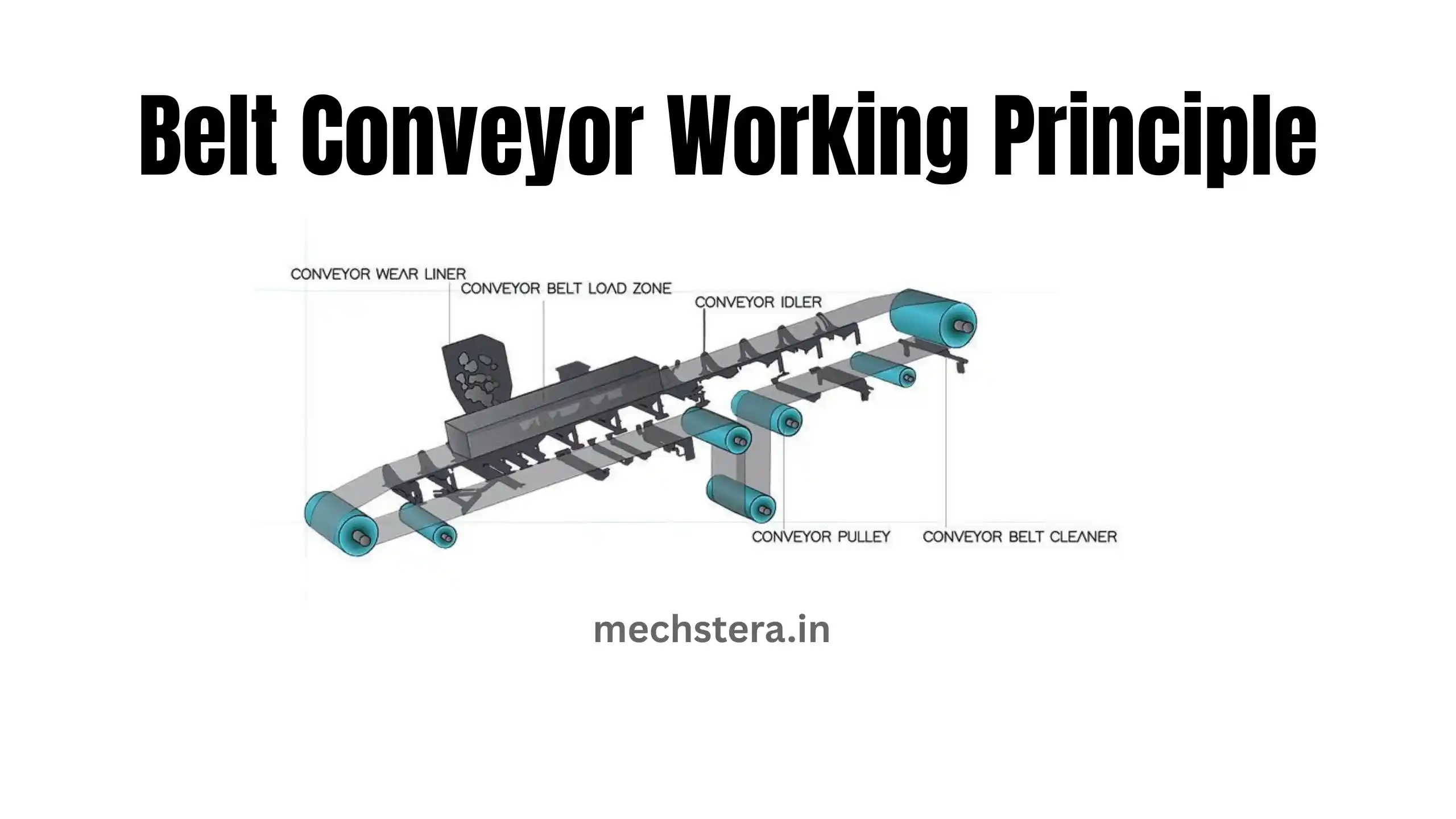
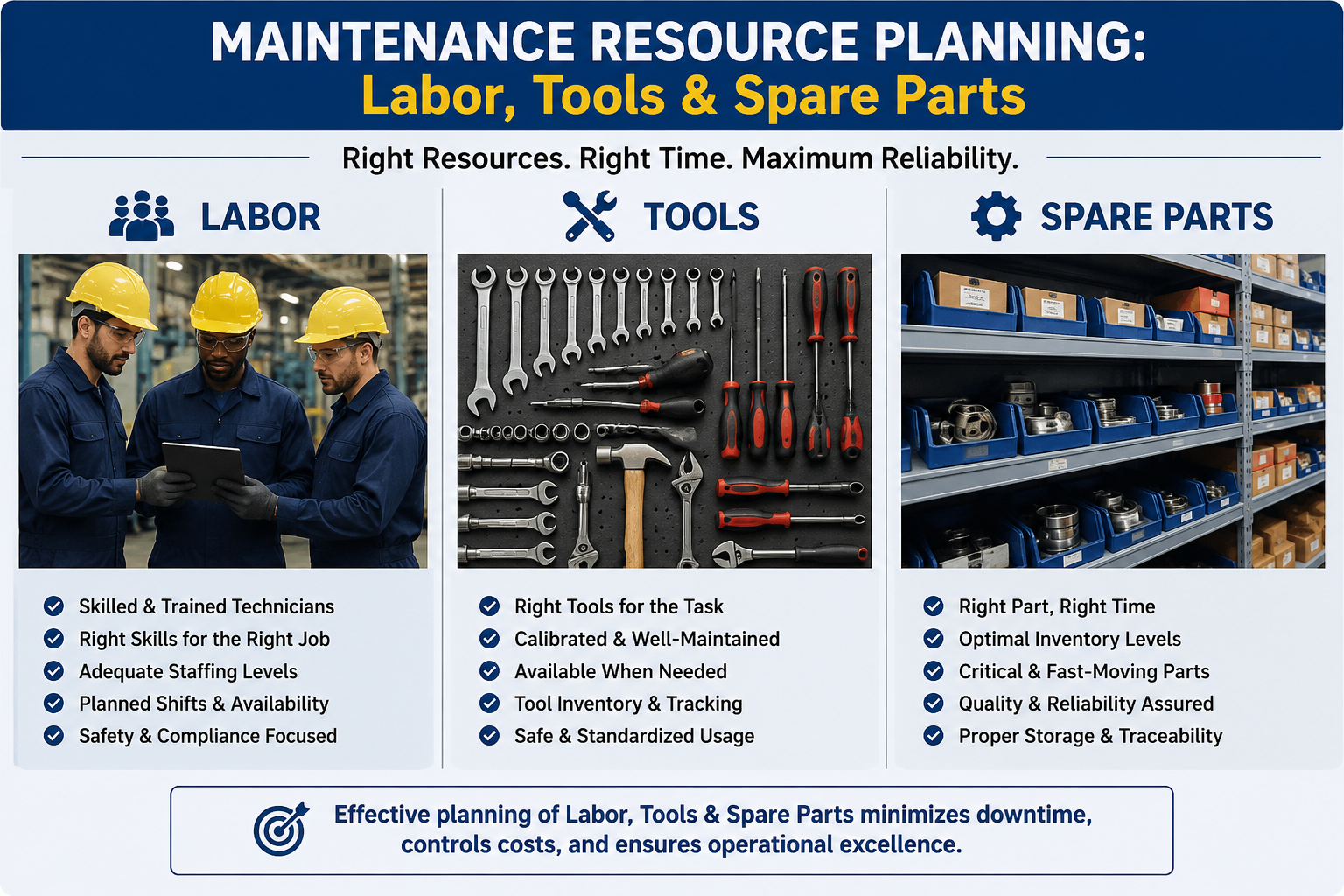
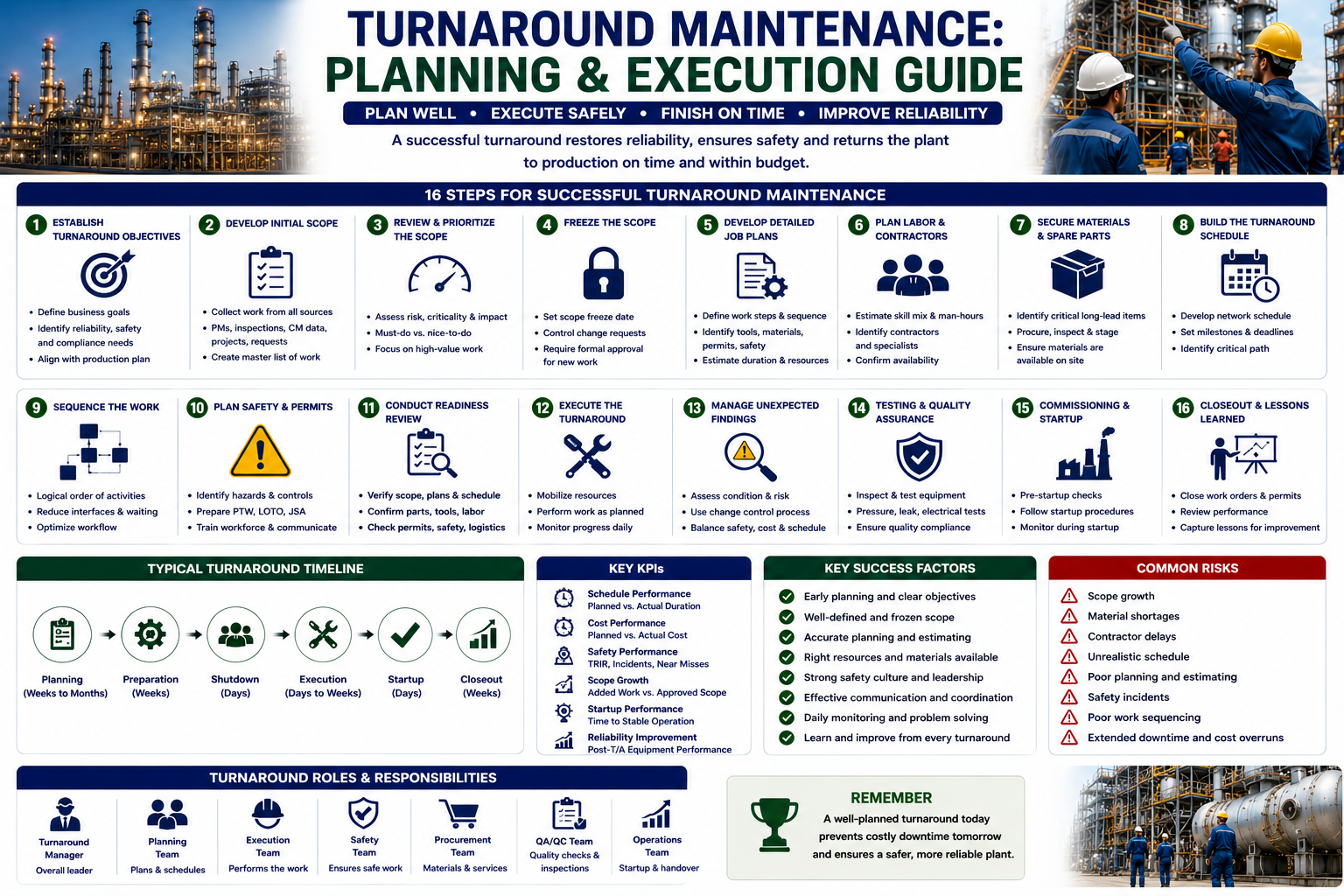
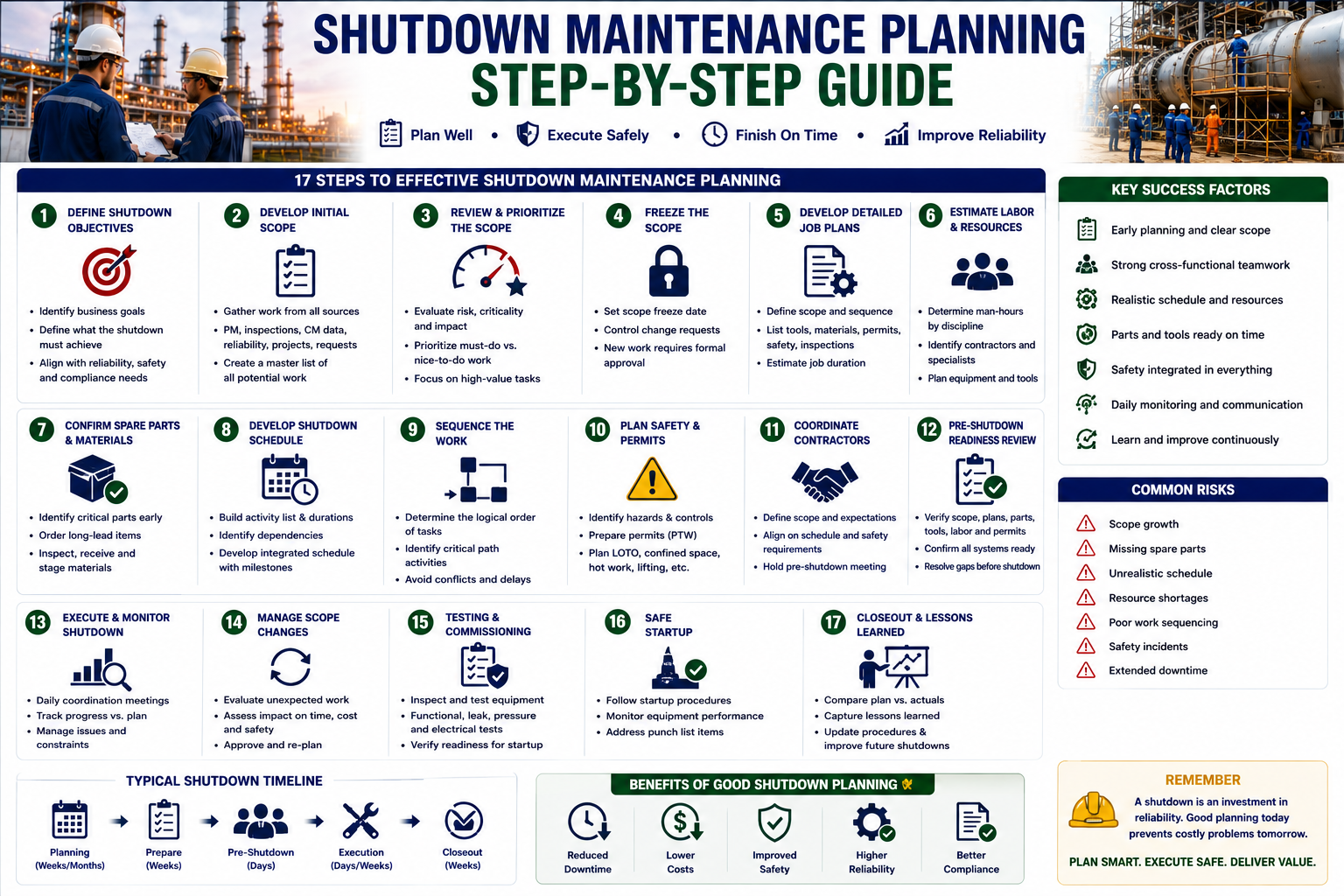
At its core, a conveyor belt is a continuous loop of material stretched between two or more pulleys, used to move goods, bulk material, or components from one point to another with minimal manual handling. The idea sounds simple, but the engineering behind choosing the right conveying system for a specific job is where things get interesting. The wrong belt on the wrong application leads to slippage, premature wear, product damage, or a full production stoppage. And even the factory can go under maintenance, as it is very important to complete the production or manufacturing process.
The Main Conveyor Belt Types by Material
Not all conveyor belts are built the same way, and the material of the belt itself is usually the first decision point.
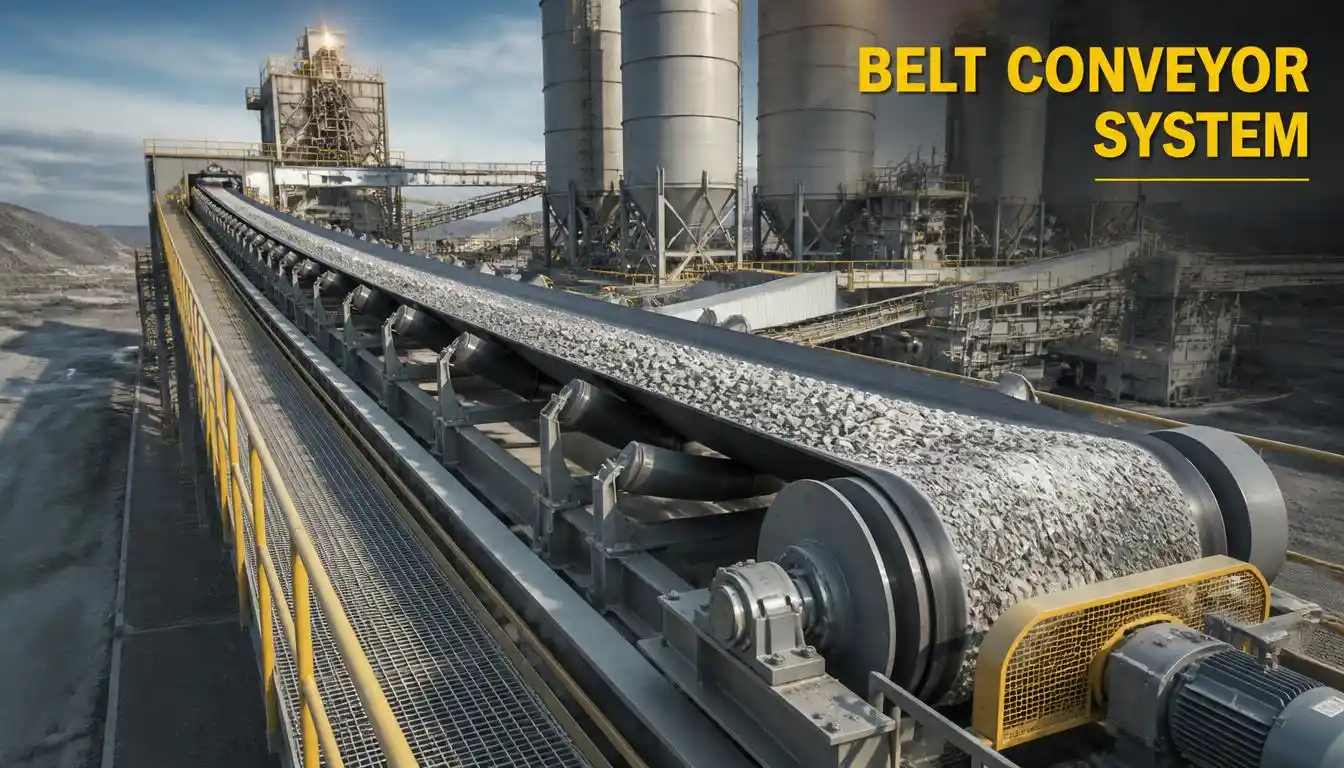
Rubber conveyor belts remain the most commonly used for bulk handling of aggregates, coal, ore, and construction materials. They are tough, resist abrasion well, and hold up under heavy impact loads at a transfer point.
PVC and PU conveyor belts are lighter and food safe, which makes them the standard pick in packaging lines, food processing, and light assembly work where hygiene and cleanability matter more than raw load capacity.
Fabric and canvas belts sit in between, often used for lighter industrial applications where flexibility and lower cost are priorities over extreme durability.
Steel cord and wire mesh belts are reserved for high temperature or high tension jobs such as ovens, dryers, and long distance overland conveying, where fabric or rubber alone would stretch or degrade.
Meanwhile, you can also check out our guide on Submersible Water Pump: Working, Types, Applications & Advantages
Conveyor Belt Types by Structure and Function
Beyond material, the physical design of the conveyor belt system changes what job it can do.
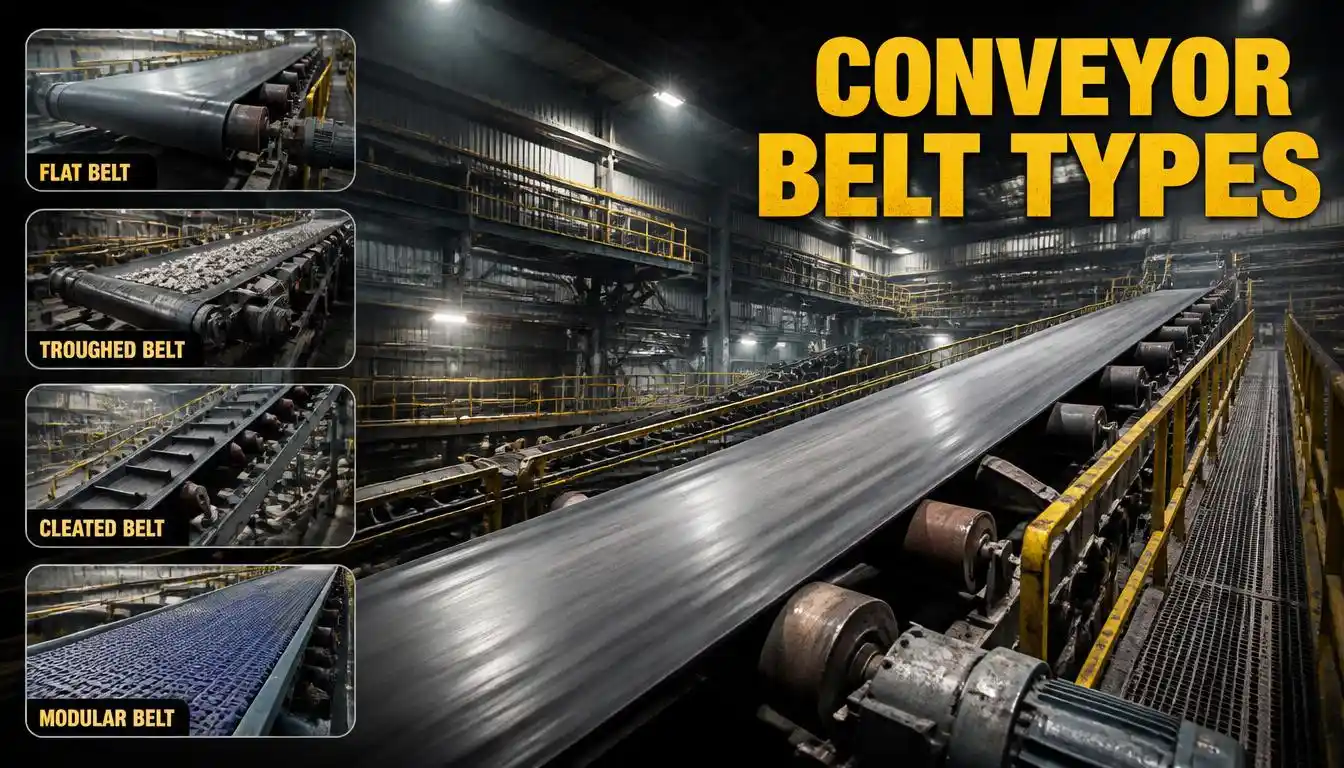
Flat belt conveyors are the simplest and most widely used design, ideal for moving boxes, packages, and general cargo across a level or gently inclined path.
Roller bed conveyors support the belt on rollers rather than a solid bed, reducing friction and making them suited to heavier loads that need to move with less power draw.
Modular belt conveyors use interlocking plastic segments instead of a single continuous belt. This design is common in food processing and bottling because individual damaged sections can be replaced without swapping the entire belt.
Cleated belt conveyors add raised ridges across the belt surface, which stop material from sliding back down on inclines. You will see these on grain elevators, recycling lines, and anywhere product needs to travel upward at a steep angle.
Wire mesh conveyors allow airflow and drainage through the belt itself, making them the standard in cooling tunnels, washing lines, and drying applications.
Industrial Belt Conveyor Systems in Practice
When people search for an industrial belt conveyor, they are usually not just asking what a conveyor belt is, they are trying to solve a specific operational problem. A mining operation moving crushed rock over long distances needs something completely different from a bottling plant moving glass containers at high speed. This is why conveying systems are rarely bought off the shelf as a single generic product. Most industrial installations are specified around load weight, incline angle, operating environment (wet, dusty, high temperature, food grade), and required throughput speed.
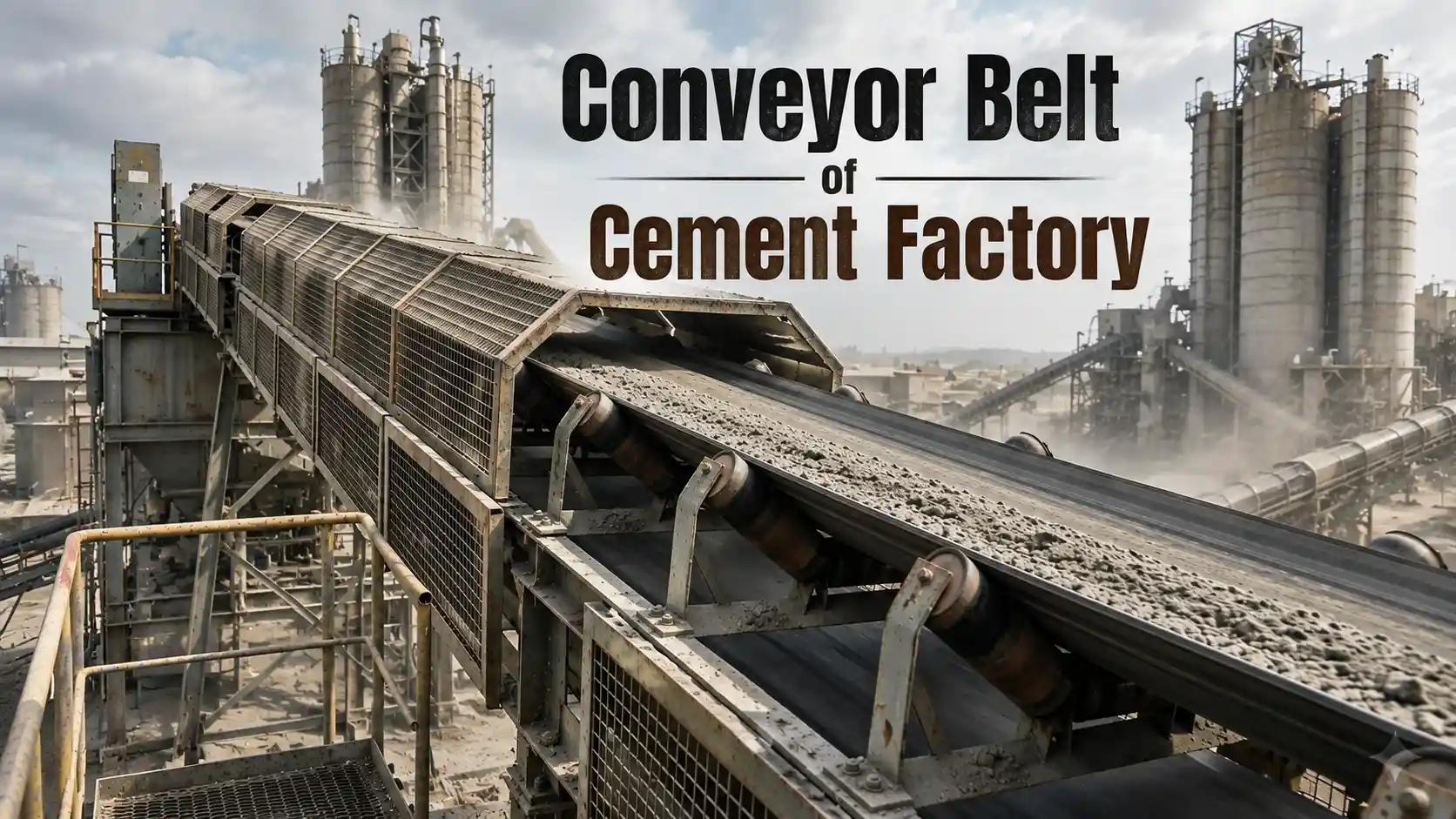
A few real world examples make this clearer. A cement plant will typically run heavy duty rubber belts on a roller bed system because the material is abrasive and heavy. A pharmaceutical packaging line, on the other hand, will almost always use PU modular belts because they need frequent washdowns and strict hygiene compliance. Choosing the wrong category here is not a minor inconvenience, it usually means replacing the entire system within a year or two.
How to Choose the Right Conveyor Belt System
If you are in the buying stage rather than just researching, a few questions will narrow the decision fast.
What are you moving, and how heavy or abrasive is it? Bulk aggregates need rubber and steel cord belts. Light packaged goods can run on PVC or fabric.
What is the operating environment? Wet, hot, or food grade environments push you toward PU, wire mesh, or specialized coatings rather than standard rubber.
What incline or decline is involved? Anything beyond a gentle slope usually needs a cleated or sidewall belt to prevent material rollback.
What is your expected belt life versus budget? Steel cord and specialty belts cost more upfront but last far longer under heavy duty conditions, which often makes them cheaper over a five year horizon than replacing a basic rubber belt twice.
Maintenance Considerations Across Conveyor Belt Types
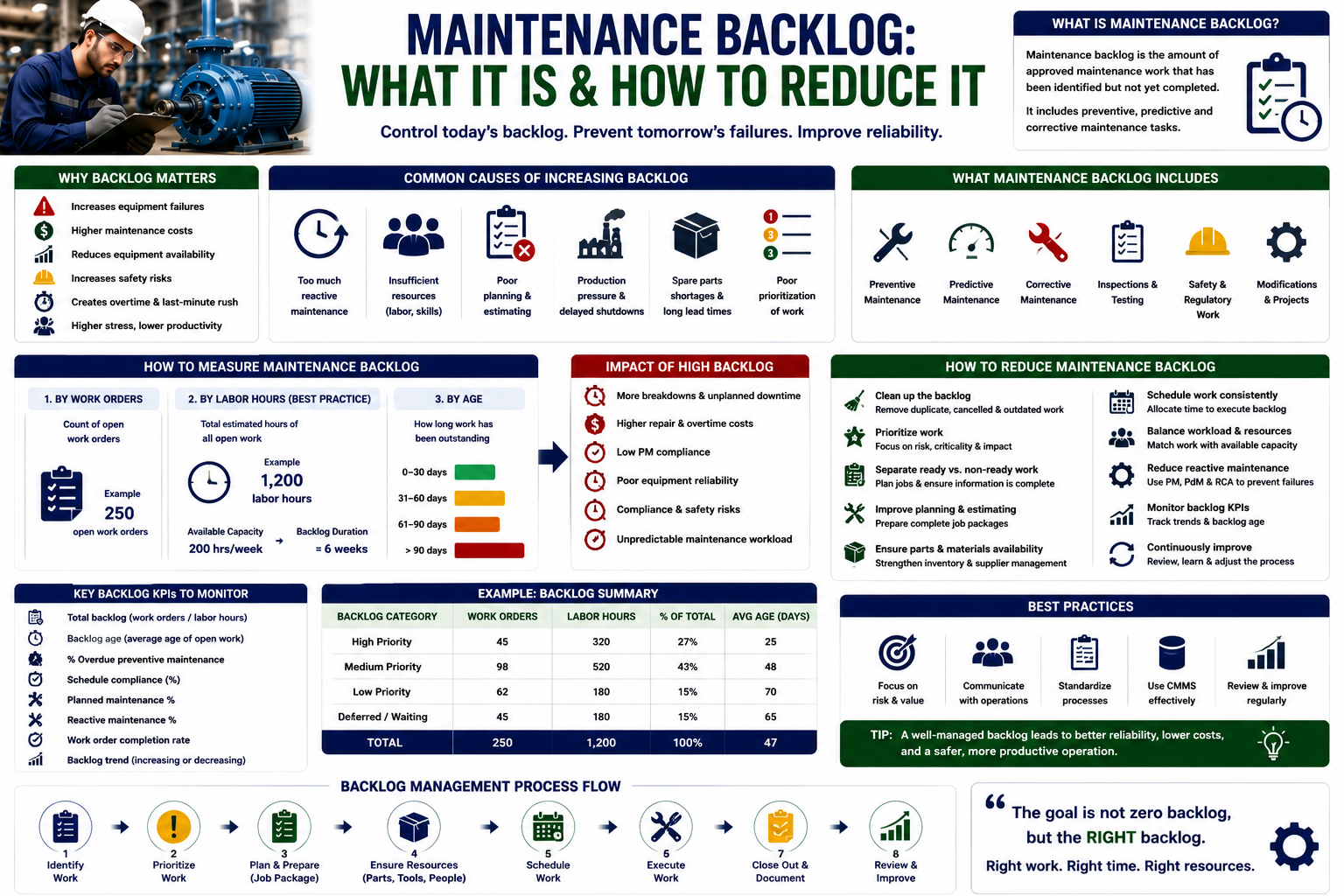
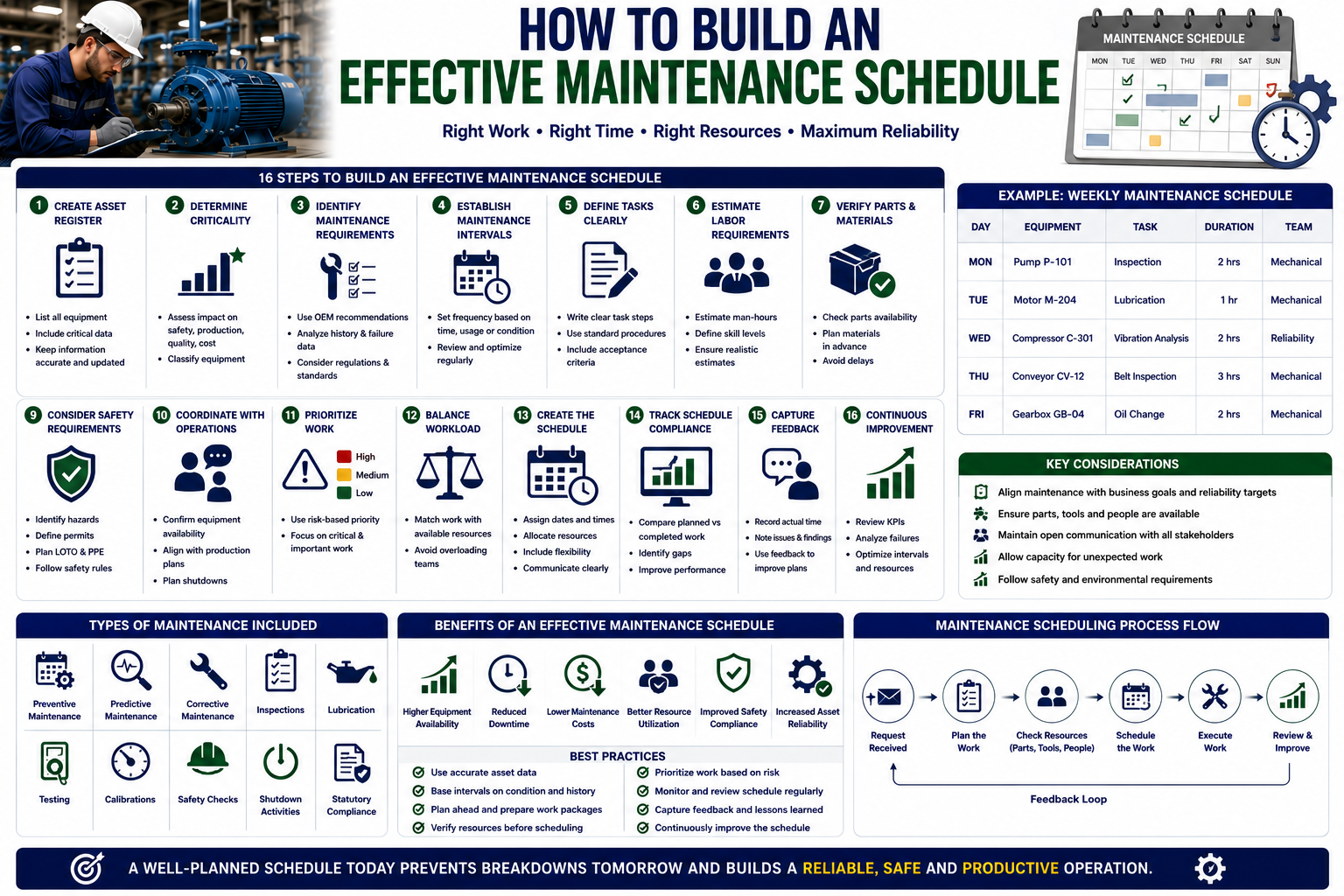
Regardless of which conveyor belt type you land on, a few maintenance habits extend service life across the board. Regular tracking checks prevent the belt from drifting off center and wearing unevenly. Tension should be checked on a schedule rather than only when slippage becomes visible. Pulley lagging and idler rollers deserve as much attention as the belt itself, since a worn pulley will destroy a brand new belt just as quickly as an old one.
Final Thoughts
There is no single best conveyor belt system, only the one that matches your material, environment, and throughput needs. Whether you are comparing rubber against PU, flat belts against modular designs, or trying to decide if your operation needs a cleated incline conveyor, the right answer comes down to matching the belt’s strengths to the actual conditions on your floor. Get that match right, and a conveyor belt becomes one of the most reliable, low drama pieces of equipment you will ever own.