
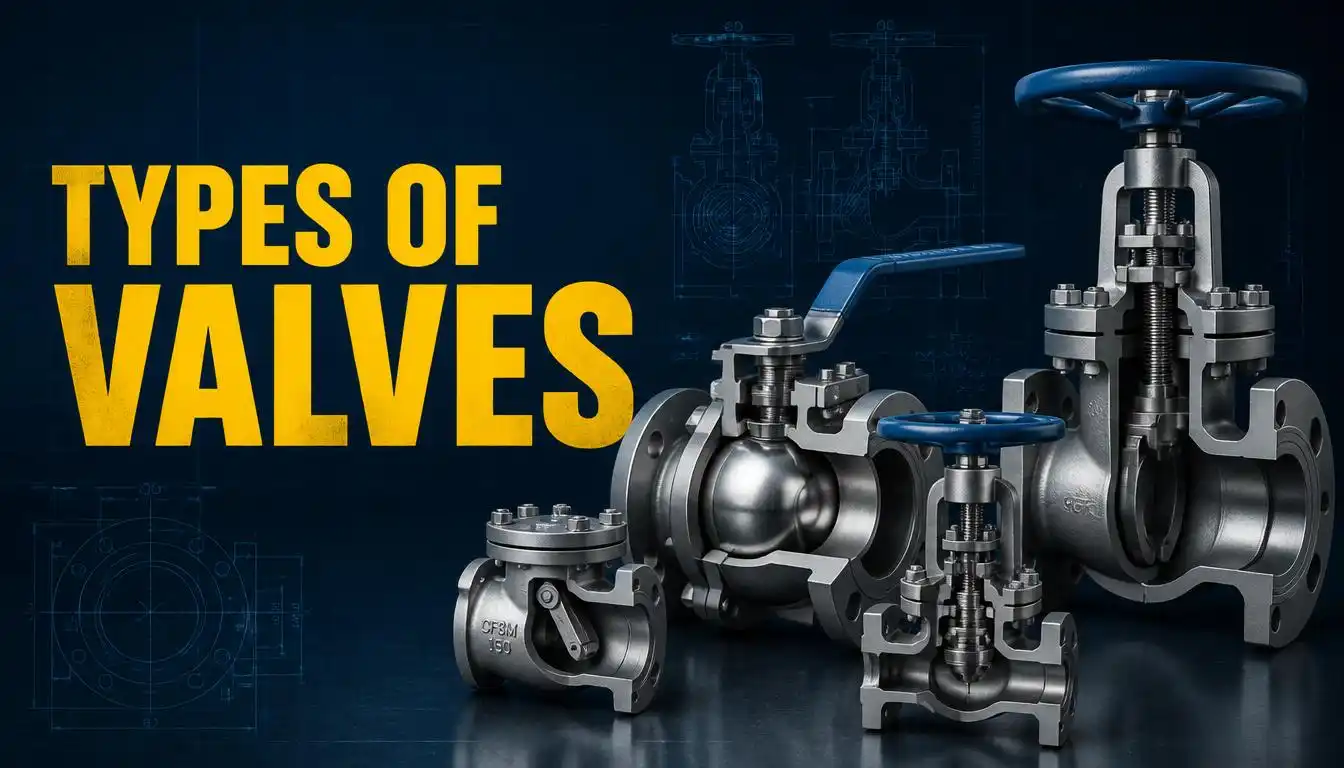
Valves are among the most fundamental components in any fluid-handling system, yet the sheer number of types — gate, globe, ball, butterfly, check, and more — can make choosing the right one feel overwhelming. This guide breaks down every major valve type by how it works, where it’s used, and how to read its symbol, so you can specify the right valve for your application with confidence. For more mechanical engineering guides, visit the Mechstera homepage.
What Is a Valve? (Definition & Function)
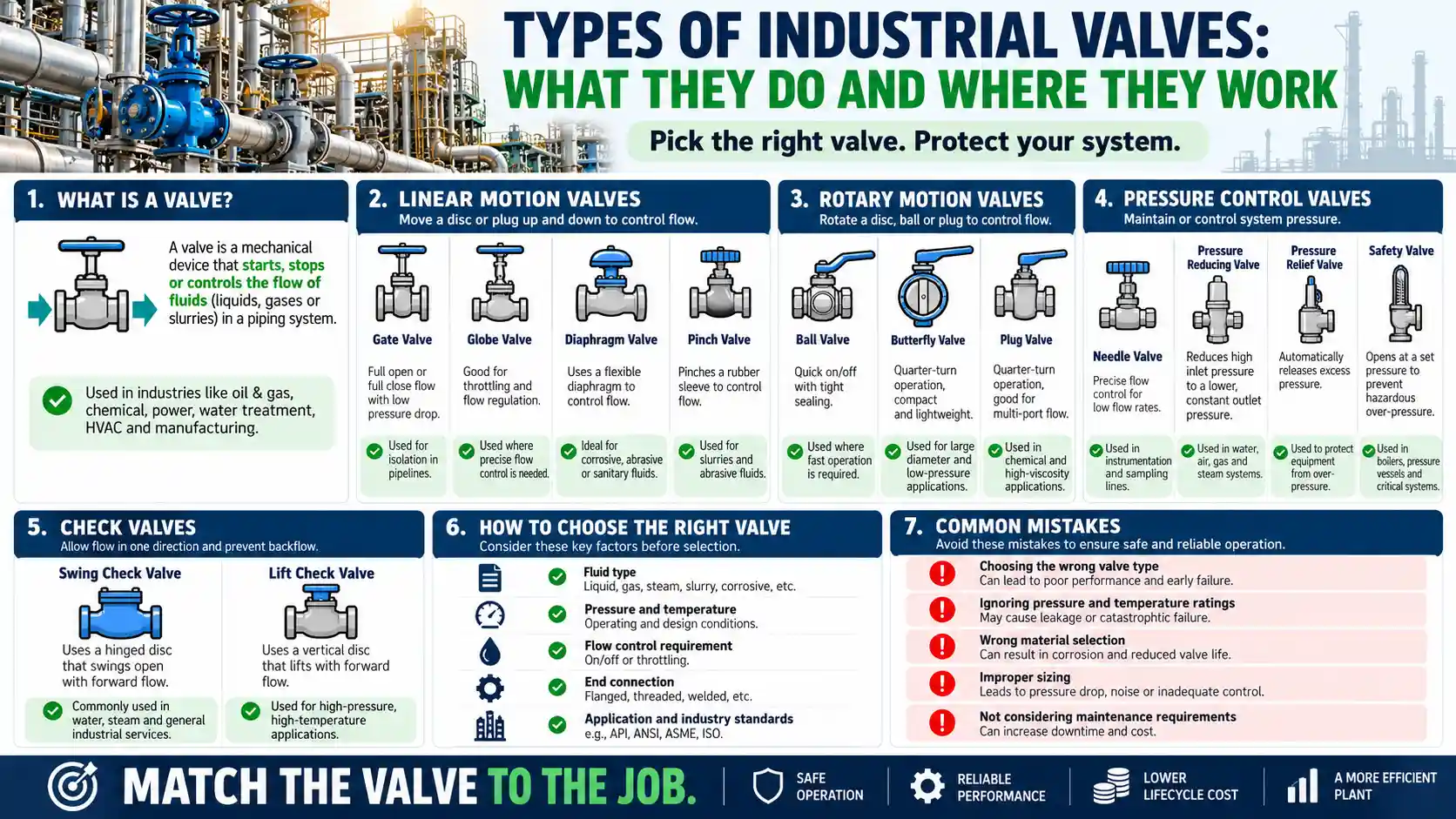
A valve is a mechanical device that controls the flow and pressure of a fluid (liquid, gas, or slurry) within a system by opening, closing, or partially obstructing a passageway (see Wikipedia’s overview of valve mechanisms for a general reference). Valves perform one or more of four core functions:
- Stopping and starting flow (isolation)
- Regulating flow rate (throttling)
- Controlling direction of flow (preventing backflow)
- Regulating pressure (relief and safety)
Nearly every piping system — from residential plumbing to oil refineries and power plants — depends on valves to function safely and efficiently. If you’re working with automated or process-controlled systems, it’s worth understanding what a control valve is and how it differs from a simple manual valve.
Classification of Valves
Before diving into individual types, it helps to understand how valves are grouped. Engineers typically classify valves along three axes.
By Motion of the Closure Member
- Linear motion valves — the closing element moves in a straight line perpendicular to the flow path (gate, globe, diaphragm, pinch, pressure relief valves).
- Rotary motion valves — the closing element rotates through an arc to open or close the flow path (ball, butterfly, plug valves).
- Self-actuated valves — open or close automatically in response to flow conditions rather than manual or powered actuation (check valves, some pressure relief valves).
By Function
Valves are also grouped by what they do in a system: isolation valves (gate, ball, plug), regulation valves (globe, butterfly, needle), non-return valves (check), and safety valves (pressure relief, safety relief).
By Actuation Method
Manual (handwheel, lever), pneumatic, electric (motor-operated), and hydraulic actuation determine how a valve is opened and closed — independent of the valve’s mechanical type. For a closer look at fluid-powered actuation, see our guide on hydraulic control valves.
Major Types of Valves
Gate Valve
A gate valve uses a flat or wedge-shaped gate that slides perpendicular to the flow to block or allow flow. It’s designed for fully open or fully closed operation, not throttling — partial opening causes vibration and premature wear on the seat.
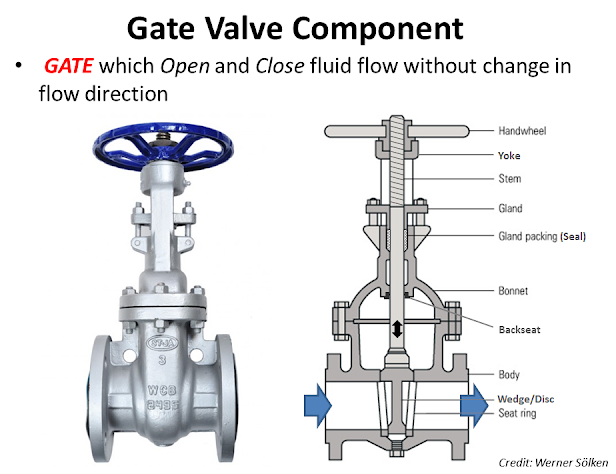
Applications: Water supply lines, oil and gas pipelines, and any system needing full, unobstructed flow with minimal pressure drop when open.
Symbol: A bowtie (two triangles meeting at a point) with a vertical line through the center.
Globe Valve
Globe valves use a movable disk (or plug) that seats against a stationary ring seat, with flow entering and exiting in a spherical body — hence the name. The S-shaped flow path creates more pressure drop than a gate valve but gives excellent throttling control. For a full breakdown of internal geometry and flow behavior, see our dedicated page on globe valve working principle.
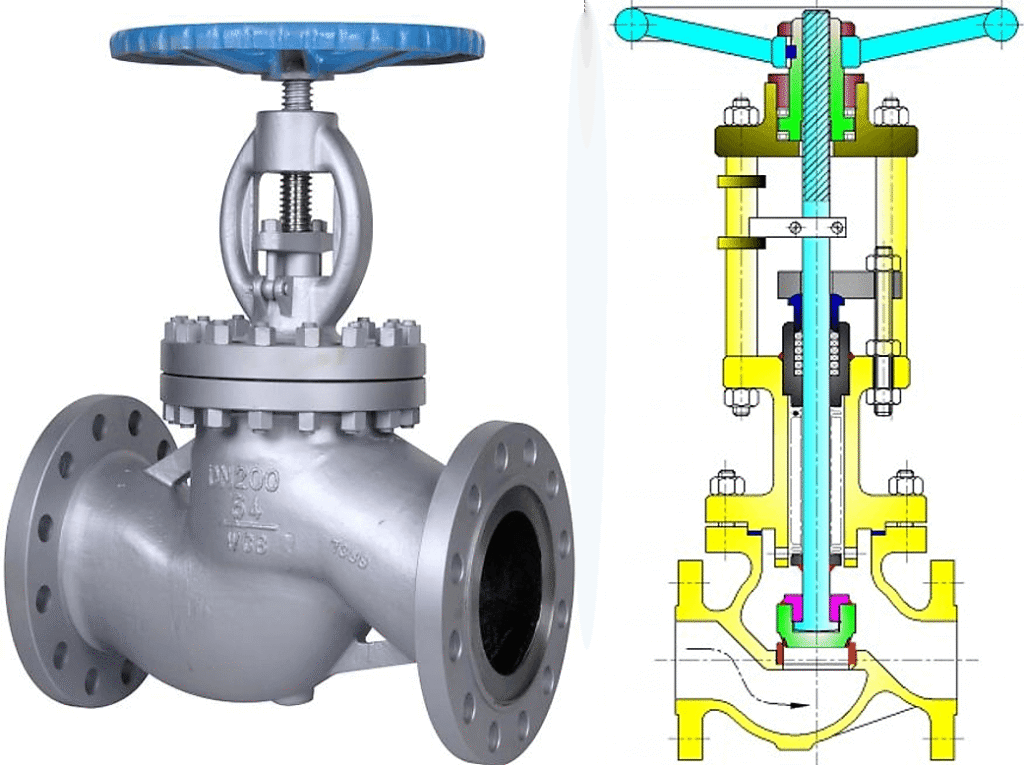
Applications: Boiler feedwater, cooling water systems, and any process requiring precise flow regulation rather than simple on/off control.
Symbol: A bowtie shape with a curved line inside representing the disk.
Ball Valve
A ball valve uses a perforated, rotating ball to control flow — a quarter-turn (90°) of the handle moves the valve from fully open to fully closed. Ball valves offer a tight shutoff, low pressure drop, and fast operation.
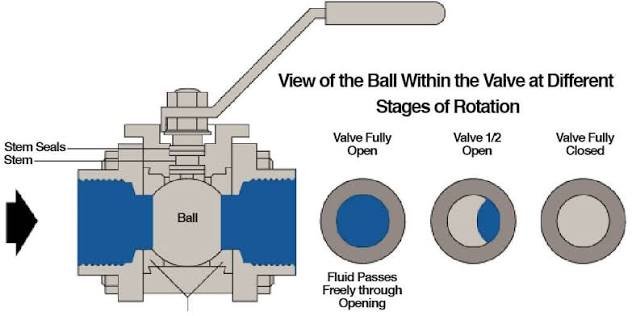
Applications: Natural gas distribution, chemical processing, and general shutoff service where quick, reliable isolation matters.
Symbol: A circle with a bowtie shape passing through it.
Butterfly Valve
A butterfly valve uses a rotating disk mounted on a shaft running through the center of the pipe. Turning the disk 90° rotates it from parallel (open) to perpendicular (closed) against the flow. Butterfly valves are lightweight, compact, and cost-effective for large pipe diameters.
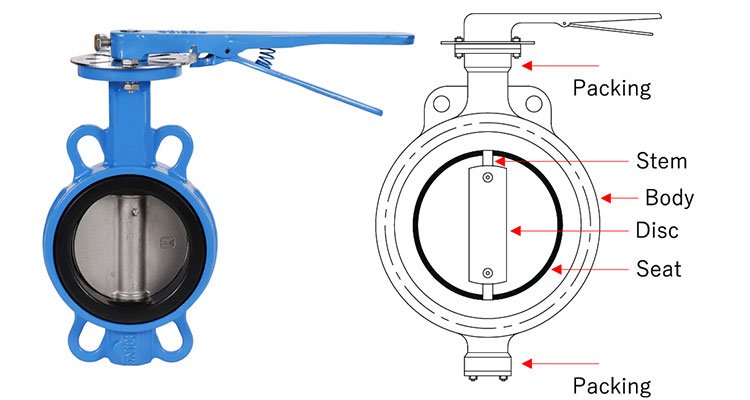
Applications: Water treatment plants, HVAC systems, and large-diameter piping where space and weight are constraints — see our related guide on flow control valves for water systems.
Symbol: A bowtie with a lens or disk shape at its center.
Check Valve
A check valve is a self-actuated, one-way valve that allows flow in a single direction and automatically closes to prevent backflow if flow reverses. Common designs include swing check, lift check, and dual-plate check valves.
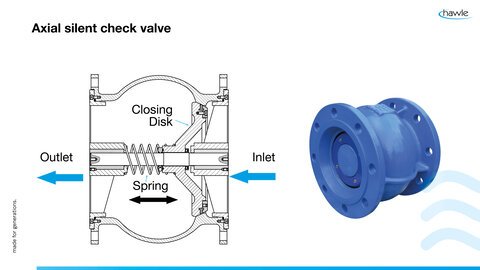
Applications: Pump discharge lines, backflow prevention in potable water systems, and any point where reverse flow could damage equipment. Check valves are especially critical on pump discharge lines, where reverse flow can contribute to issues like cavitation in centrifugal pumps.
Symbol: A triangle pointing in the direction of allowed flow, with a line or bar at its base.
Diaphragm Valve
Diaphragm valves use a flexible membrane (diaphragm) that presses down onto a weir or seat to stop flow, isolating the flow media entirely from the valve’s operating mechanism. This makes them ideal for corrosive, abrasive, or hygienic applications.
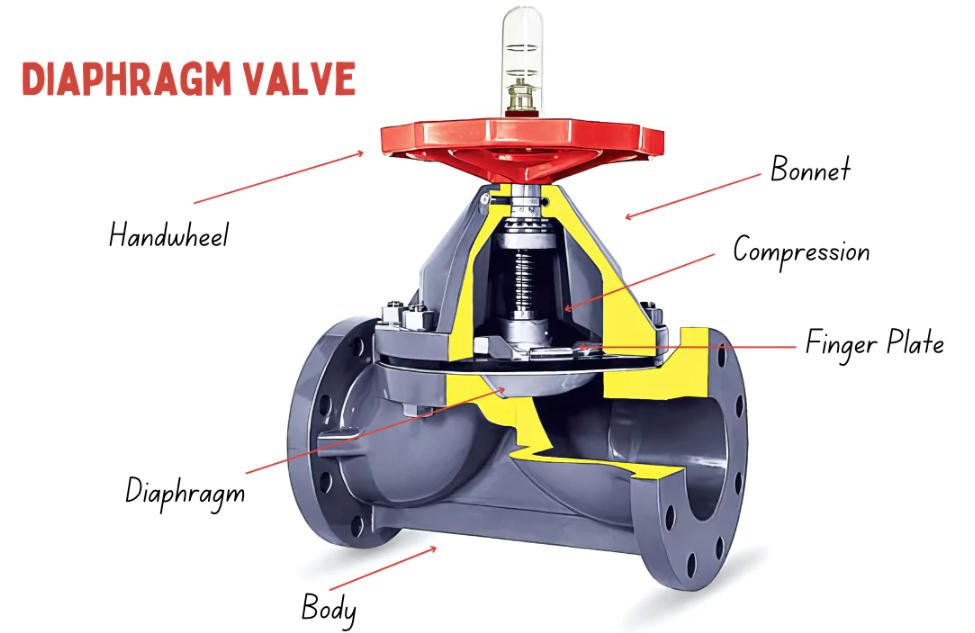
Applications: Pharmaceutical and food processing, semiconductor manufacturing, and corrosive chemical handling.
Symbol: A bowtie with a curved arc above it representing the diaphragm.
Needle Valve
Needle valves use a slender, tapered plunger (the “needle”) that fits into a matching seat, allowing very fine, precise control over low flow rates.
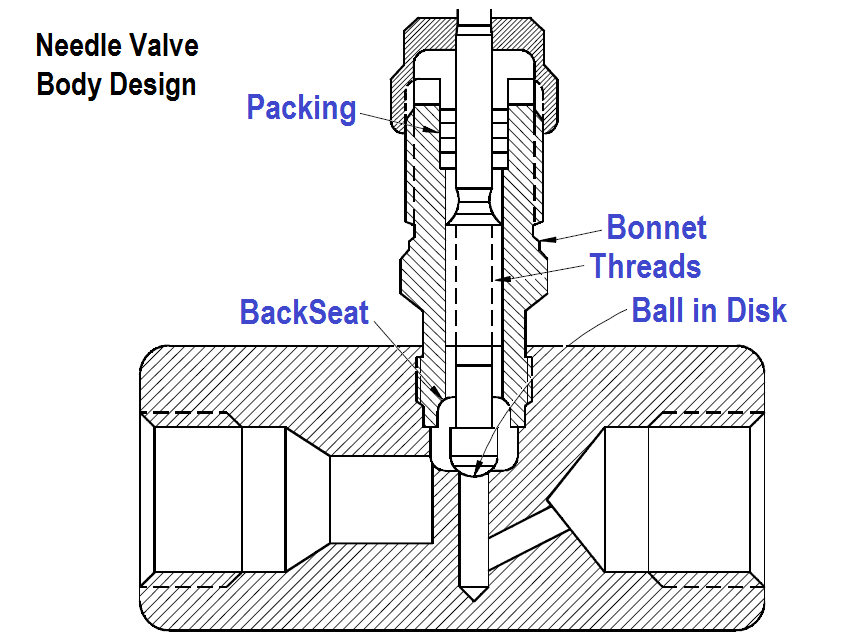
Applications: Instrumentation lines, laboratory equipment, and gas metering where small, exact flow adjustments are required.
Symbol: A bowtie with a narrow angled line representing the needle-like stem.
Pinch Valve
A pinch valve controls flow by pinching a flexible tube or sleeve closed, with no metal parts contacting the fluid. This makes them excellent for slurries, solids-laden fluids, and abrasive media.
Applications: Mining slurry lines, wastewater treatment, and powder or granular material handling.
Symbol: A bowtie shape with two arrows pinching inward at the center.
Pressure Relief Valve
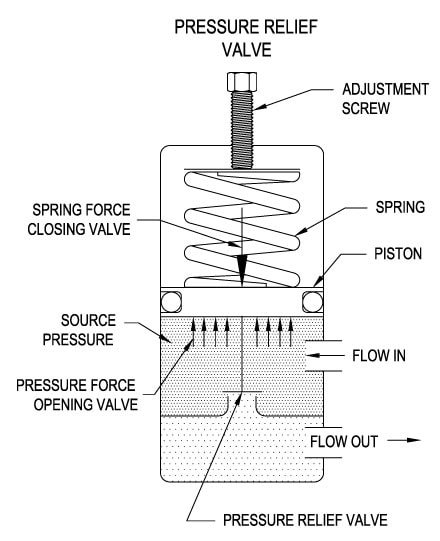
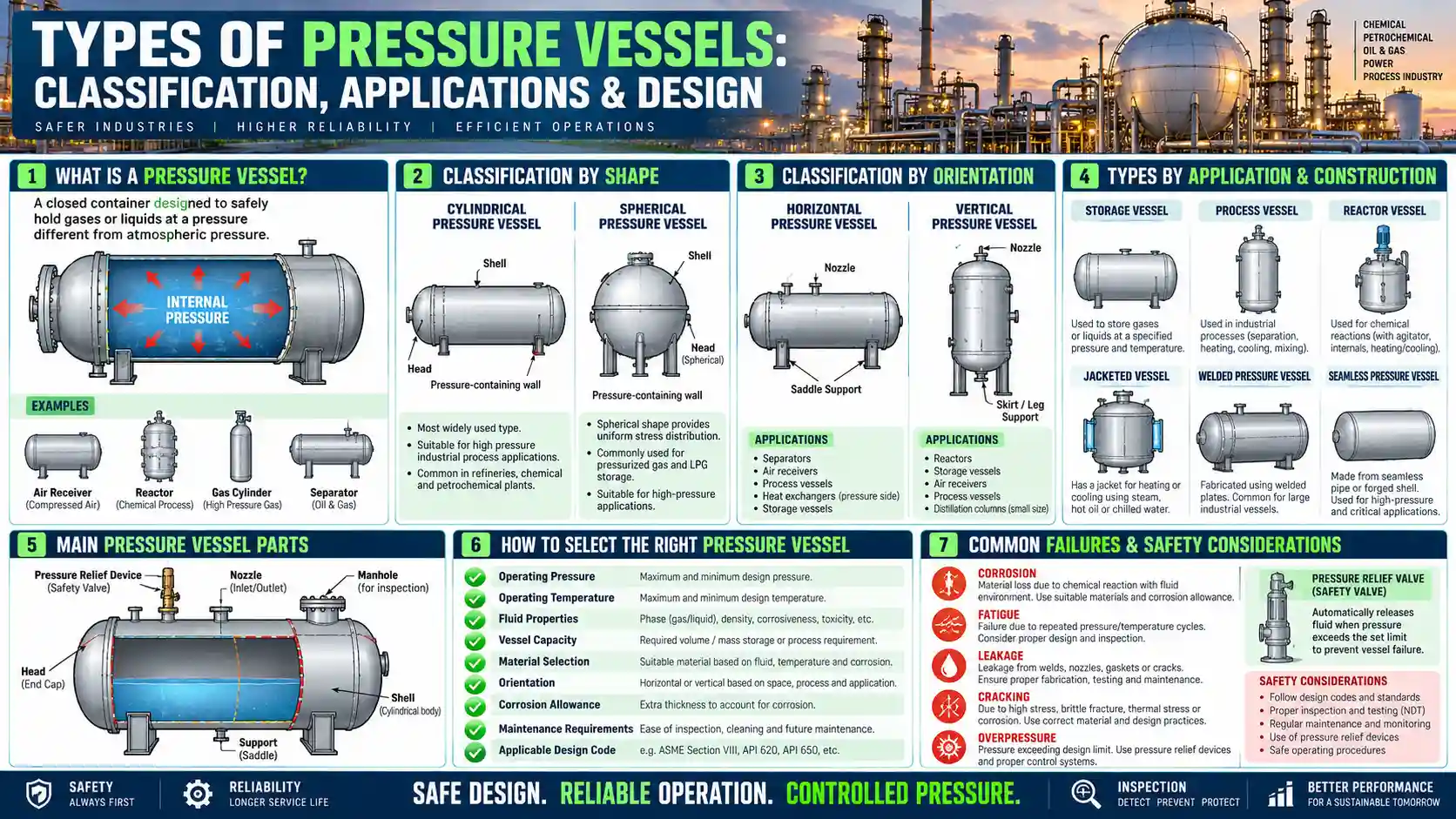
A pressure relief valve (PRV) opens automatically once system pressure exceeds a preset limit, releasing fluid to protect equipment and piping from overpressure damage, then recloses once pressure returns to a safe level. Pressure relief devices are a critical safety requirement under standards such as those outlined by OSHA’s pressure vessel safety guidelines.
Applications: Boilers, pressure vessels, pipelines, and any closed system where overpressure poses a safety risk.
Symbol: An angled valve symbol with an arrow indicating discharge direction.
Valve Symbols Chart
| Valve Type | Motion Type | Symbol Description | Primary Use |
|---|---|---|---|
| Gate | Linear | Bowtie with vertical line | On/off isolation |
| Globe | Linear | Bowtie with curved disk line | Flow throttling |
| Ball | Rotary | Circle through bowtie | Quick shutoff |
| Butterfly | Rotary | Bowtie with center disk | Large-diameter flow |
| Check | Self-actuated | Directional triangle with bar | Backflow prevention |
| Diaphragm | Linear | Bowtie with arc above | Corrosive/hygienic service |
| Needle | Linear | Bowtie with angled stem | Precision low-flow control |
| Pinch | Linear | Bowtie with pinch arrows | Slurry/abrasive media |
| Pressure Relief | Self-actuated | Angled valve with discharge arrow | Overpressure protection |
How to Choose the Right Valve Type
Selecting a valve comes down to matching the valve’s characteristics to your system’s requirements. Detailed flow-coefficient and pressure-drop data for common valve types is available via The Engineering Toolbox’s valve reference tables.
| Valve Type | Best For | Pressure Rating Range | Throttling Capability |
|---|---|---|---|
| Gate | Full flow, infrequent operation | Low to high | Poor |
| Globe | Frequent throttling | Low to high | Excellent |
| Ball | Quick shutoff, tight sealing | Low to high | Fair |
| Butterfly | Large pipes, space constraints | Low to moderate | Good |
| Check | Backflow prevention | Low to high | N/A |
| Diaphragm | Corrosive/hygienic fluids | Low to moderate | Good |
| Needle | Precise low-flow metering | Low to high | Excellent |
| Pinch | Slurries, solids | Low to moderate | Fair |
| Pressure Relief | Overpressure safety | System-dependent | N/A |
Key factors to weigh: fluid type (clean, corrosive, or abrasive), required pressure and temperature rating, frequency of operation, need for throttling versus simple isolation, and space or weight constraints in the installation. If your system involves centrifugal pumps, valve placement and sizing also directly affects net positive suction head (NPSH), so it’s worth reviewing pump-side requirements alongside valve selection.
FAQs
How many types of valves are there?
There are dozens of valve designs, but they fall into a handful of major categories: gate, globe, ball, butterfly, check, diaphragm, needle, pinch, and pressure relief valves are the most commonly used across industrial and plumbing applications.
What are all the types of valves used in piping systems?
Piping systems typically use gate and ball valves for isolation, globe and needle valves for throttling, check valves to prevent backflow, and pressure relief valves for safety — with butterfly, diaphragm, and pinch valves used for specialized flow media.
What is the difference between a gate valve and a globe valve?
A gate valve is built for full on/off flow with minimal pressure drop, while a globe valve is designed for precise throttling control at the cost of higher pressure drop across the valve.
Which valve type is best for plumbing?
Residential and commercial plumbing most commonly uses gate valves for main shutoffs, ball valves for fixture isolation, and check valves to prevent backflow into the supply line. If your system also uses rotating equipment, our guide on types of mechanical seals covers a related sealing component worth understanding.

1 thought on “Types of Valves: Working Principle & Applications”