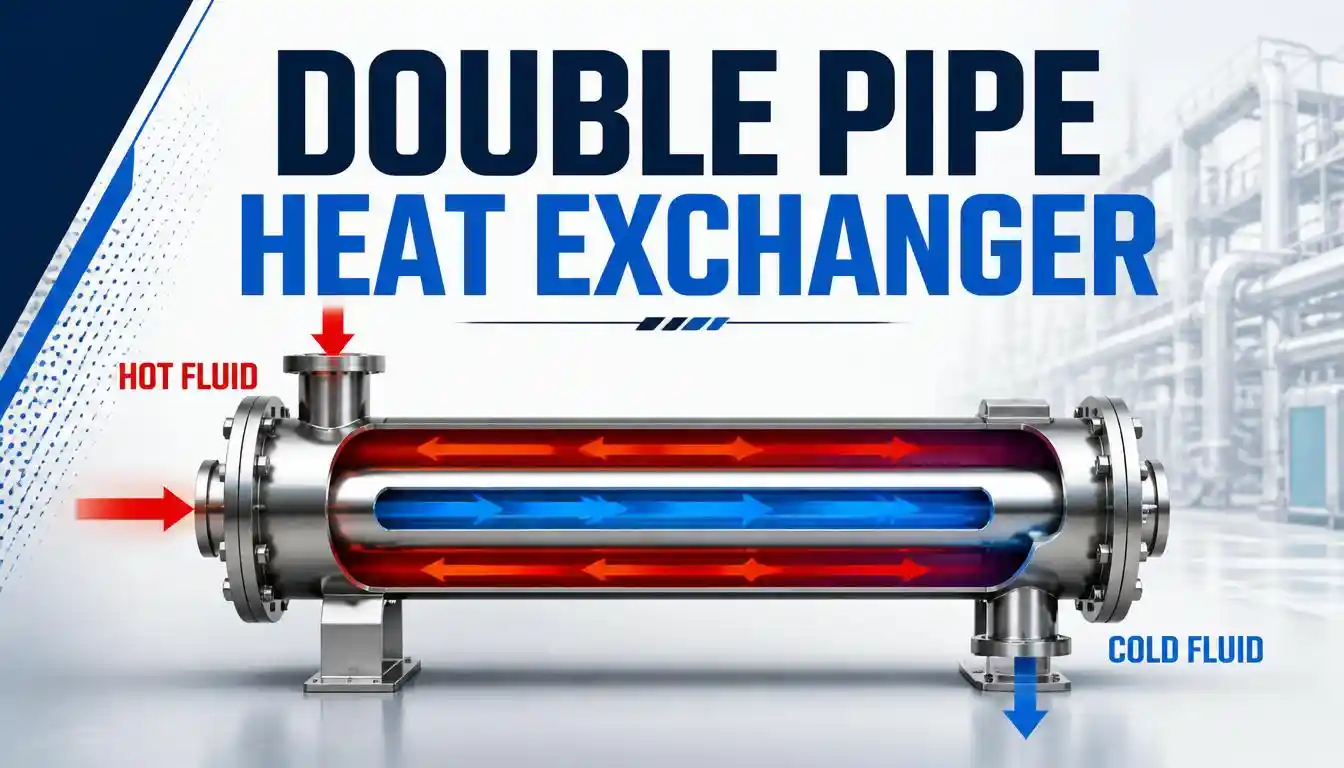
Heat exchangers sit at the core of nearly every thermal process in industry, moving heat from one fluid stream to another without letting the two mix. Among the many designs available, the double pipe heat exchanger remains one of the oldest and most widely used because of its simplicity, low cost, and reliability. This guide breaks down how a double pipe heat exchanger works, where it’s used, how it compares to shell and tube heat exchangers, and what to consider before choosing one for your project.
What Is a Double Pipe Heat Exchanger?
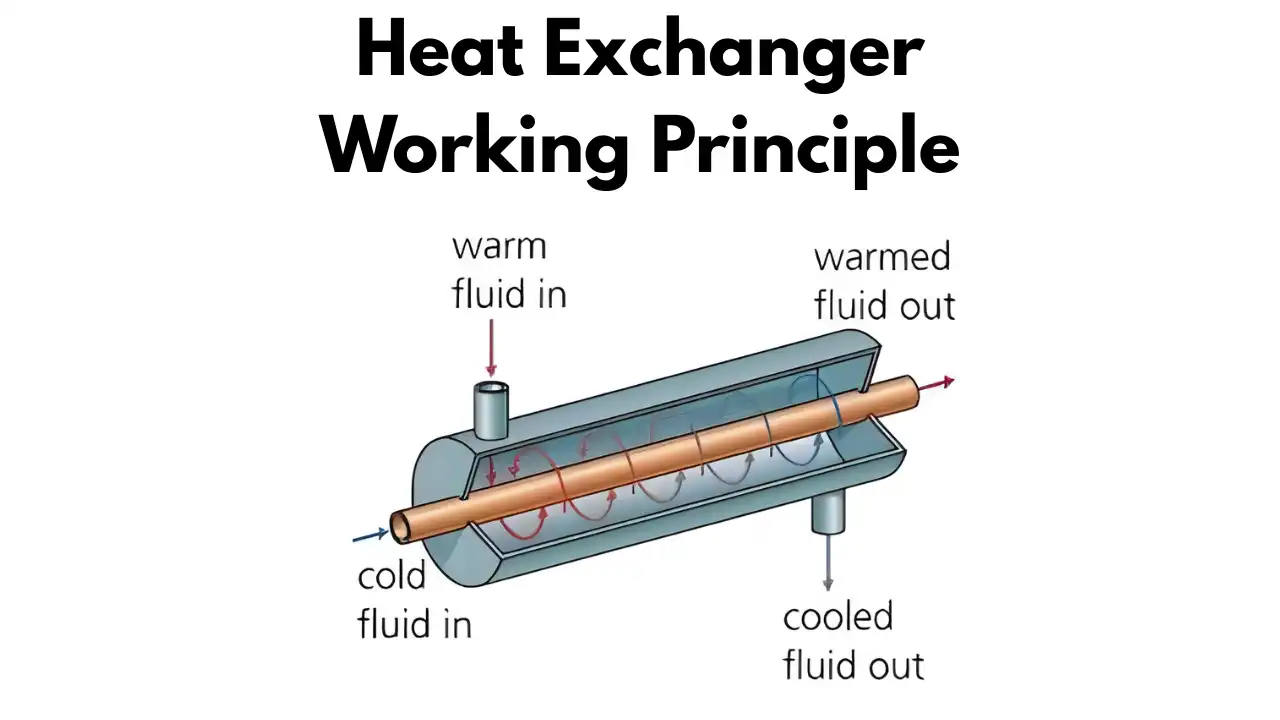
A double pipe heat exchanger — also referred to as a concentric tube, pipe-in-pipe, twin-tube, or hairpin heat exchanger — is built from two pipes of different diameters, one placed inside the other. One fluid travels through the inner pipe, while the second fluid moves through the annular space formed between the inner and outer pipe walls. The inner pipe wall itself acts as the only heat transfer surface in the unit, which keeps the design mechanically simple compared to more complex exchanger types. Because there are no internal baffles, tube bundles, or shell-side flow distributors to fabricate, double pipe units are relatively inexpensive to build, install, and repair, making them a practical entry point for smaller thermal duties.
How Does a Double Pipe Heat Exchanger Work?
The operating principle relies on basic conduction and convection. The hotter fluid is routed through either the inner tube or the annulus, and as it flows, heat passes through the shared pipe wall into the cooler fluid on the other side. Flow direction has a major effect on how well the unit performs. In counterflow (also called countercurrent) arrangement, the two fluids move in opposite directions, which sustains a larger temperature difference along the full length of the exchanger and allows for a phenomenon called temperature cross, where the outlet temperature of the cold stream can actually exceed the outlet temperature of the hot stream — something a single-pass shell and tube unit generally cannot achieve.
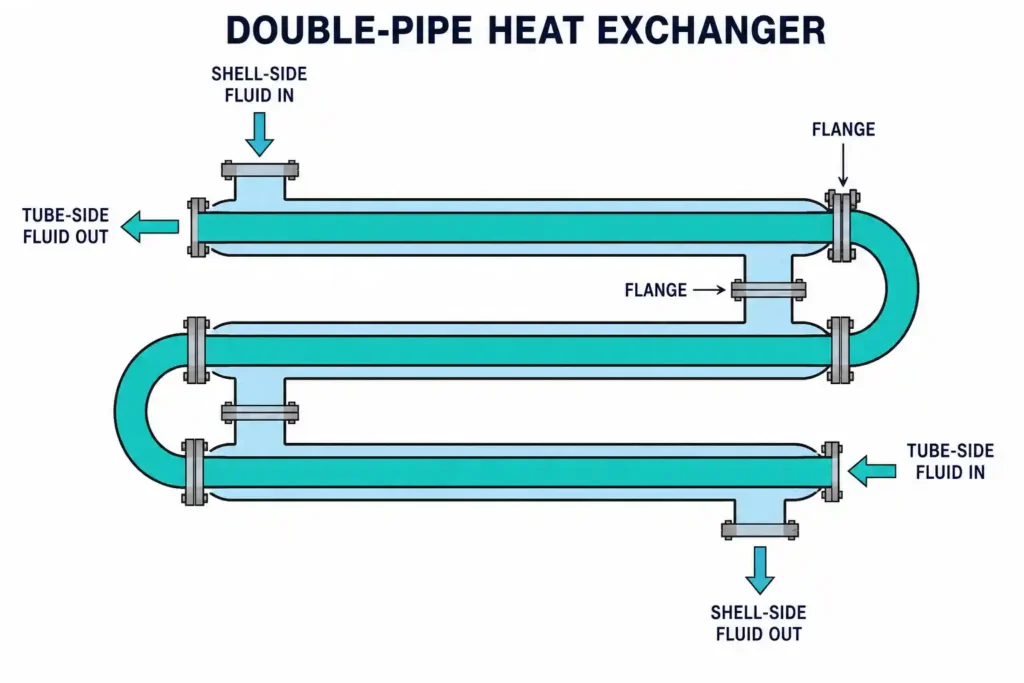
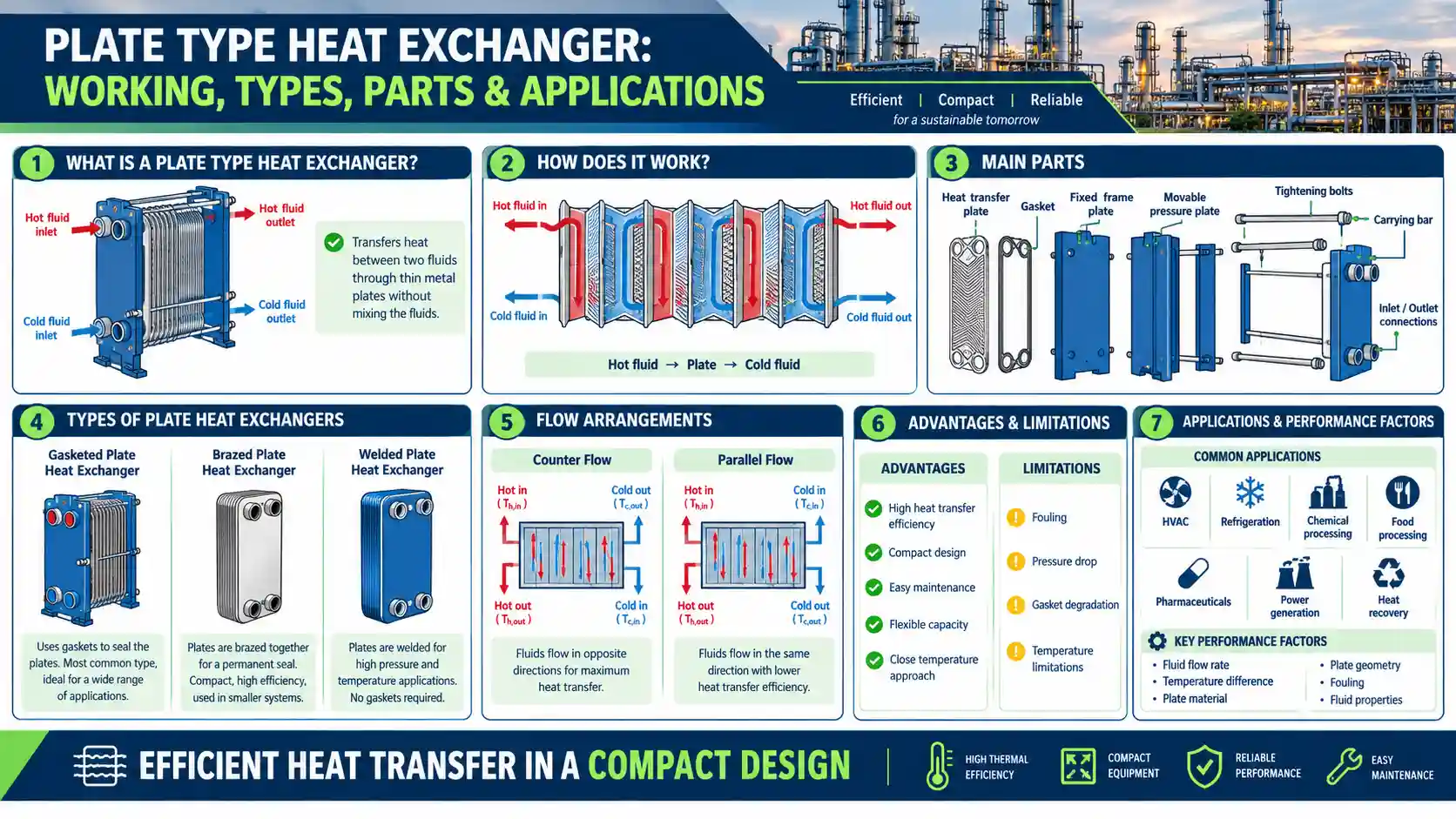
In parallel flow, both fluids move in the same direction, which is easier to construct but produces a smaller effective temperature gradient and lower overall efficiency. For most industrial installations, engineers favor counterflow because it maximizes the log mean temperature difference (LMTD) and reduces the surface area needed to hit a given heat duty.
Multiple double pipe sections, sometimes called hairpins because of their U-bend configuration, can be connected in series or parallel to scale up capacity without redesigning the entire system. Adding longitudinal fins to the inner tube is another common way to boost the effective heat transfer area, particularly useful when one of the fluids has a low heat transfer coefficient, such as a viscous oil or a gas stream.
Construction and Materials
Double pipe units are typically fabricated from stainless steel, carbon steel, or copper alloys, though material selection ultimately depends on the chemical compatibility of the fluids, operating temperature, and required corrosion resistance. The inner and outer pipes are joined at the inlet and outlet using welding, brazing, or mechanical fittings, and U-bends allow the assembly to be arranged compactly. For larger heat duties, some designs use a small bundle of inner tubes rather than a single pipe, though once the tube count or shell diameter grows past a certain point, the unit is generally reclassified as a shell and tube exchanger rather than a true double pipe design.
Advantages and Disadvantages of a Double Pipe Heat Exchanger
Before specifying a double pipe heat exchanger for a project, it helps to weigh its strengths against its limits in the context of the specific application.
| Advantages | Disadvantages |
|---|---|
| Simple, low-cost construction and easy fabrication | Large footprint relative to heat transfer area |
| Full counterflow in a single pass, enabling temperature cross | High metal consumption per unit of surface area |
| Both circuits are mechanically accessible for cleaning | Limited heat duty compared to shell and tube or plate designs |
| Handles high pressures and high temperatures well | Not cost-effective once surface area needs grow large |
| Modular — units can be added in series or parallel | More joints and fittings mean more potential leak points |
| Flexible orientation to suit tight installation spaces | Less efficient than plate exchangers for compact, high-load duty |
Double Pipe vs. Shell and Tube Heat Exchangers
One of the most common questions engineers ask is when to choose a double pipe design over a shell and tube unit. The short answer is that it comes down to scale, complexity, and budget.
| Factor | Double Pipe Heat Exchanger | Shell and Tube Heat Exchanger |
|---|---|---|
| Heat transfer capacity | Best for small to moderate loads | Handles large-scale, high-volume duties |
| Initial cost | Lower upfront cost | Higher upfront investment |
| Maintenance | Easier to dismantle and clean | Requires specialized tools and more effort |
| Design complexity | Simple, single tube-in-tube layout | Complex, with baffles and tube bundles |
| Space requirement | Compact per unit, but low area efficiency | More area-efficient for large duties |
| Typical use case | Small process plants, HVAC, pilot-scale systems | Refineries, power plants, large chemical processes |
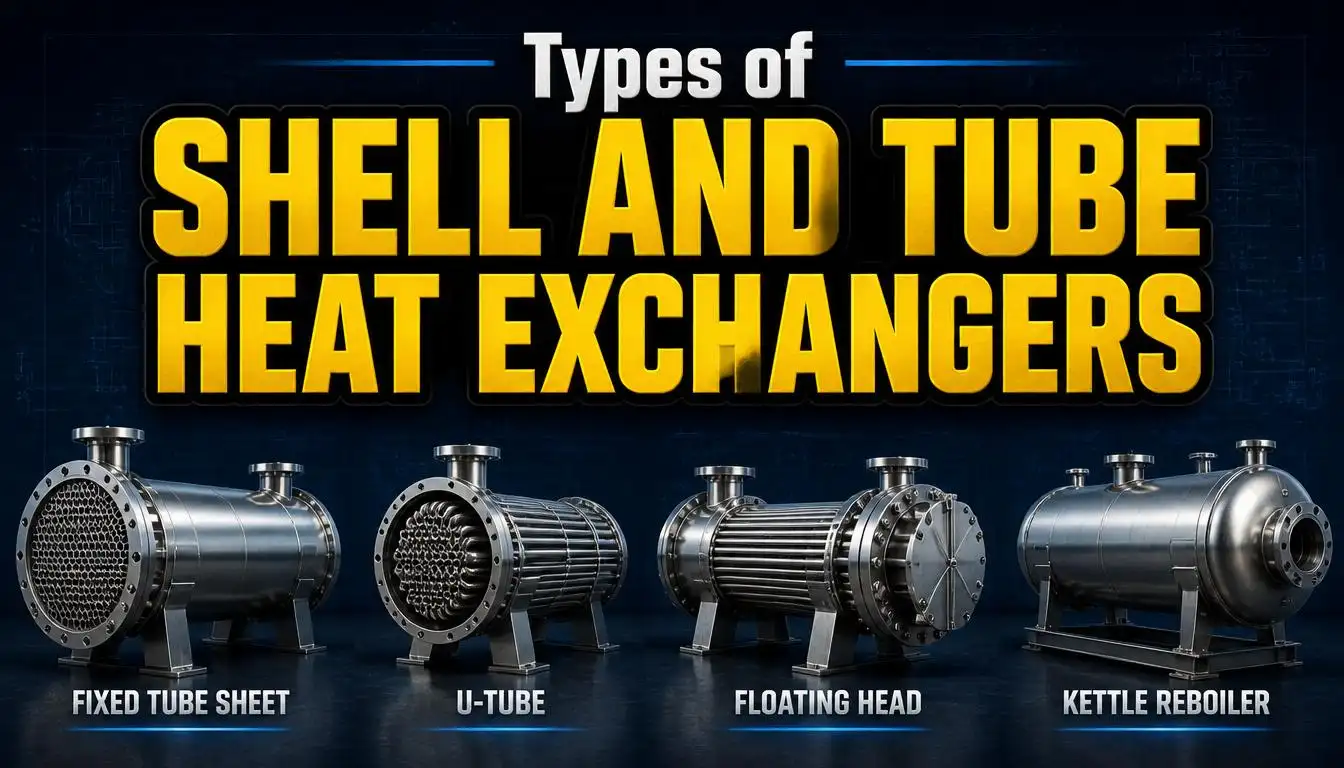
As several industry comparisons point out, shell and tube exchangers generally offer higher thermal efficiency and can support a broader range of operating conditions, while double pipe units remain the more practical choice when flow rates are modest and simplicity matters more than raw capacity — a distinction outlined well in this double pipe vs shell and tube comparison from Torq N’ Seal.
Common Applications of Double Pipe Heat Exchangers
Because of their rugged, straightforward design, double pipe heat exchangers show up across a wide range of industrial settings. In oil and gas operations, they’re used for cooling or heating process streams where pressures are high but flow volumes are modest. In chemical processing plants, they handle corrosive or viscous fluids that benefit from the design’s easy-clean accessibility. HVAC systems rely on them for compact heating and cooling loops, and food and beverage facilities often choose them for smaller pasteurization or temperature-control duties where a full shell and tube system would be oversized. Their ability to be arranged in series also makes them useful in pilot plants and lab-scale setups where flexibility matters more than sheer throughput.
You May Also Like : Heat Exchanger Design Guide
How to Improve Heat Transfer in a Double Pipe Heat Exchanger
Getting the most out of a double pipe unit usually comes down to a handful of design choices working together. Increasing fluid velocity raises turbulence and improves the convective heat transfer coefficient on both sides of the pipe wall. Configuring the unit for counterflow rather than parallel flow keeps the temperature differential higher across the full length of the exchanger, which directly improves thermal performance. Extending the surface area with longitudinal fins or improved tube geometry gives the fluids more contact area to exchange heat through. Routine maintenance to control fouling keeps the heat transfer surface clean and conductive, since scale buildup on either side of the pipe wall reduces efficiency over time. Finally, matching the pipe diameter and material to the specific fluids and operating conditions — as detailed in this heat exchanger construction and material guide from EnggCyclopedia — helps avoid unnecessary pressure drop and corrosion issues down the line.
Choosing the Right Double Pipe Heat Exchanger for Your System
Selecting a suitable unit starts with understanding the working fluids involved, the required heat duty, and the physical space available for installation. Viscous fluids generally perform better on the annulus side, where there’s more room for flow, while gases and steam are often better suited to the inner pipe. Temperature and pressure ratings also matter, since double pipe units are known for handling demanding conditions that would stress lighter-duty exchangers. For projects where the required heat-transfer surface area exceeds roughly 500 square feet, it’s usually more economical to consider a shell-and-tube or plate heat exchanger instead, a threshold noted in Thomasnet’s overview of double-pipe heat exchanger design. For smaller, space-constrained, or budget-sensitive applications, though, the double pipe heat exchanger continues to be a dependable, field-proven choice that’s simple to install, maintain, and scale as needs grow.
If you’re evaluating heat exchanger options for your facility, browsing available double pipe units and comparing specifications against your process requirements is a good next step — and reaching out to a supplier directly can help clarify sizing, materials, and lead times for your specific application.