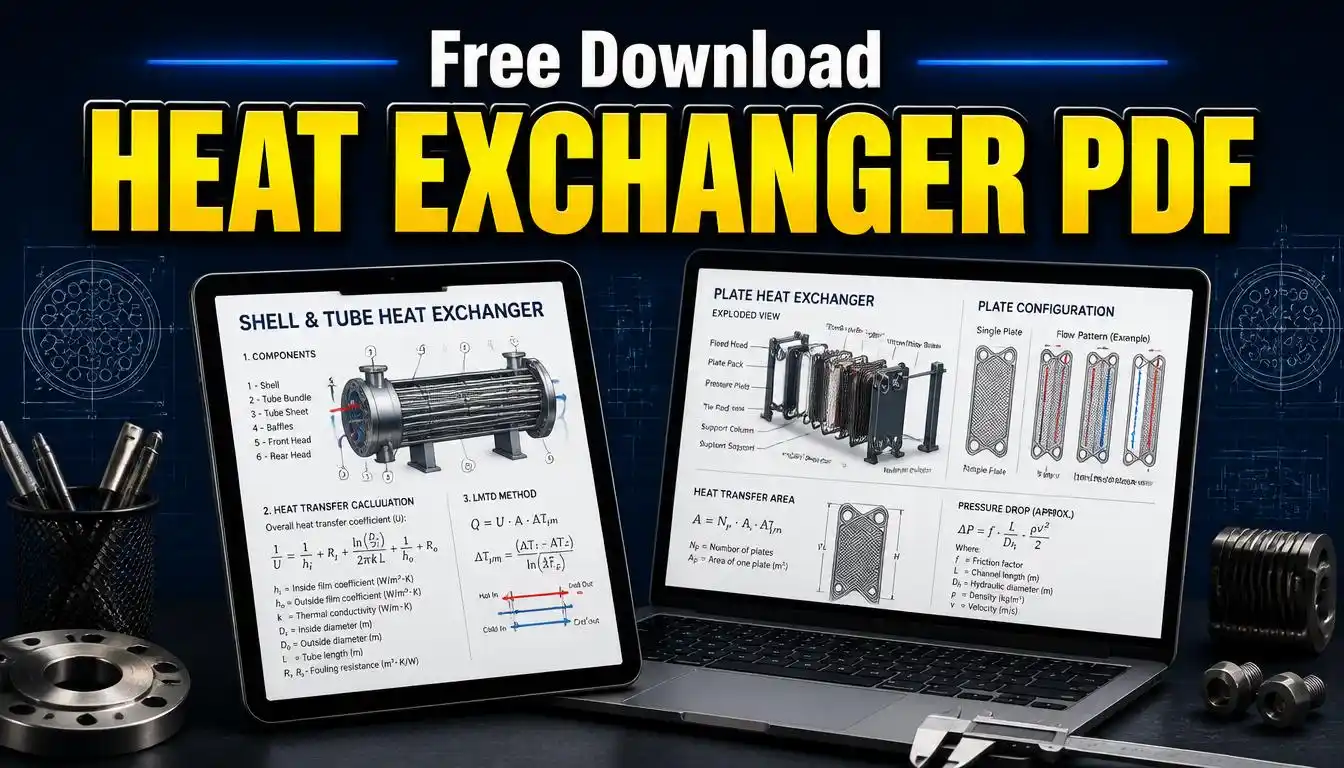
If you’ve been searching for a reliable heat exchanger PDF to understand how these devices work, you’re not alone. Heat exchangers are among the most widely used pieces of equipment in process industries, HVAC systems, and power plants, and engineering students and professionals frequently look for downloadable references to study their design and operation. This guide brings together everything you need to know about heat exchangers — from basic working principles to the different heat exchanger types PDF resources typically cover — in one comprehensive article.
Whether you’re preparing for an exam, researching for a project, or troubleshooting equipment on the job, this article will walk you through the fundamentals, the most common designs, and practical solutions to frequent operational problems.
What Is a Heat Exchanger?
A heat exchanger is a device designed to transfer thermal energy between two or more fluids without allowing them to mix directly. One fluid is typically hotter and the other cooler, and the exchanger facilitates heat transfer through a solid barrier — usually metal tubes or plates — that separates the two streams.
Heat exchangers are found virtually everywhere: in air conditioning systems, automotive radiators, power generation plants, oil refineries, chemical processing units, and even in your home’s boiler. Because of this widespread use, many students and engineers search for a consolidated heat exchangers PDF that explains the core concepts in one place, and that’s exactly what this article aims to provide. For a deeper technical overview, Wikipedia’s heat exchanger overview is a solid starting reference point.
How Does a Heat Exchanger Work?
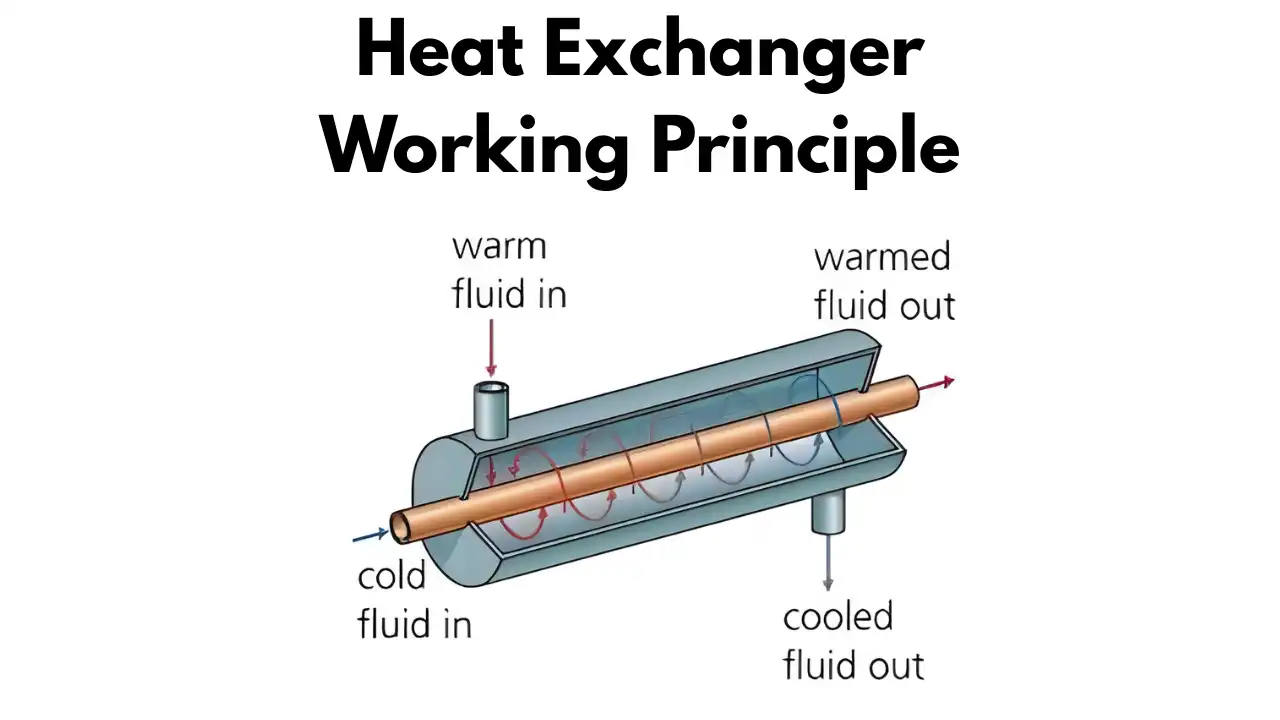
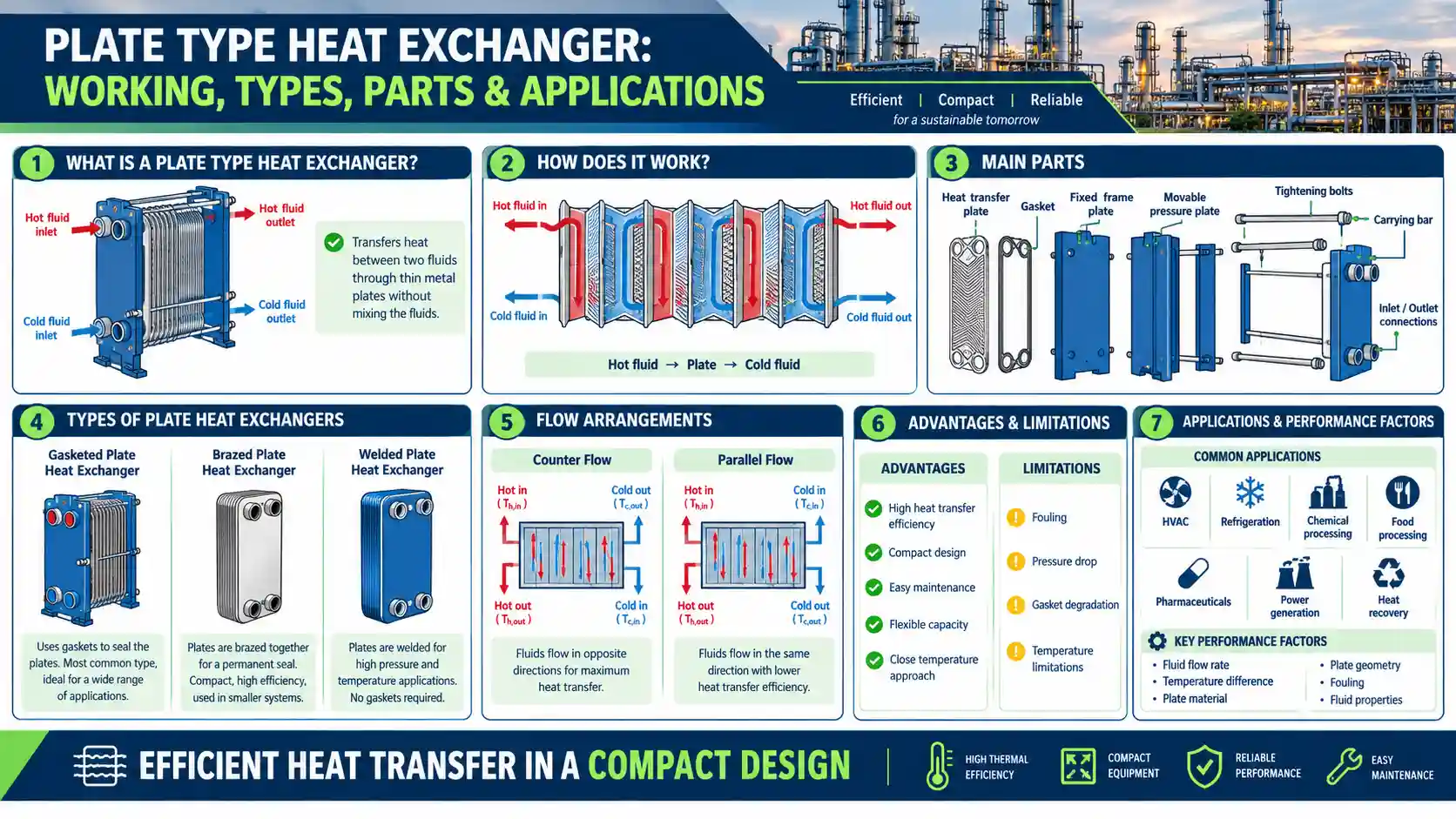
The basic working principle is straightforward: two fluids at different temperatures flow either parallel to each other, in opposite directions (counterflow), or perpendicular to each other (crossflow), separated by a conductive wall. Heat naturally moves from the hotter fluid to the cooler one until thermal equilibrium is approached, without the fluids ever physically mixing.
The efficiency of this transfer depends on several factors:
- The temperature difference between the two fluids
- The surface area available for heat transfer
- The material’s thermal conductivity
- Flow arrangement (parallel, counter, or cross flow)
- Fouling or scaling on the heat transfer surfaces
Counterflow arrangements are generally the most thermally efficient because they maintain a more consistent temperature gradient across the entire length of the exchanger compared to parallel flow designs.
Types of Heat Exchangers
Anyone researching types of heat exchanger PDF material will typically come across four to five major categories. Here’s a breakdown of the most common designs used across industries:
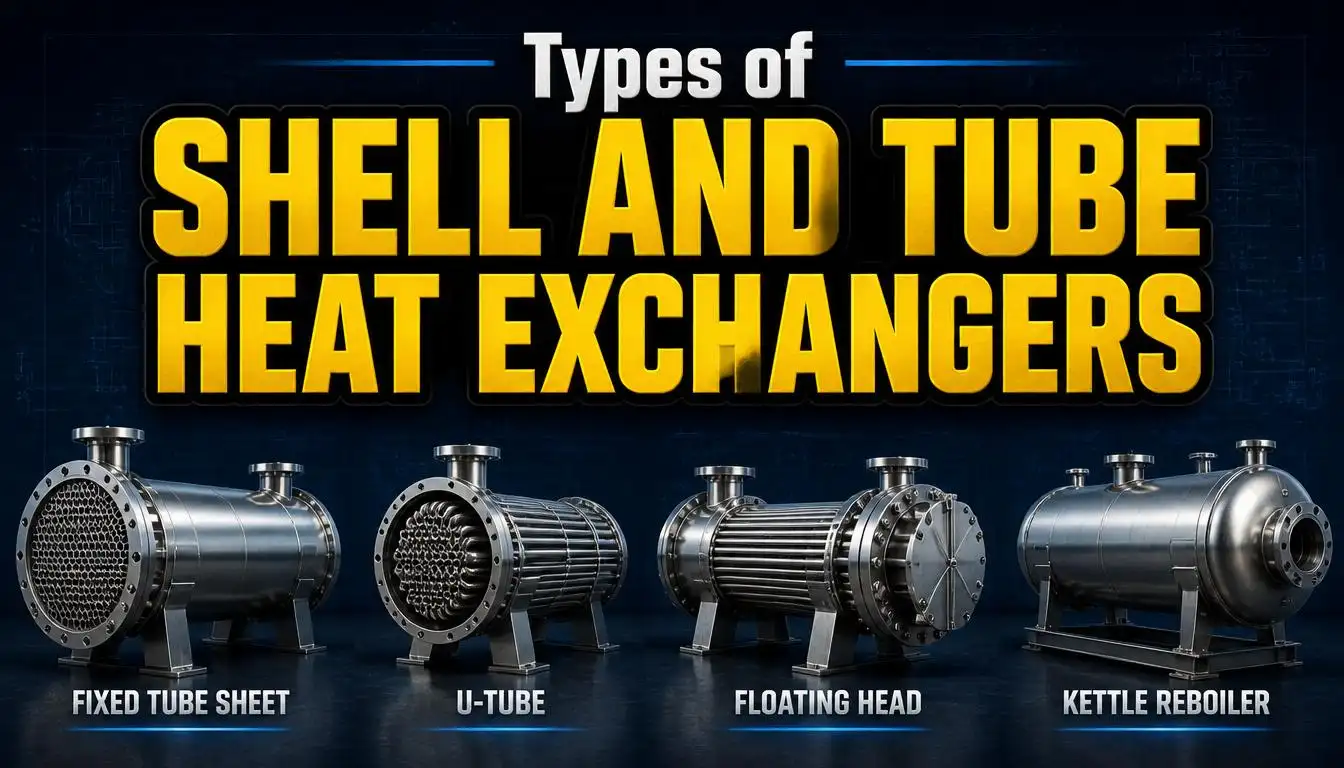
1. Shell and Tube Heat Exchanger
This is the most widely used industrial design. It consists of a cylindrical shell housing a bundle of parallel tubes. One fluid flows through the tubes while the other flows around them within the shell. This configuration is prized for its durability, high pressure tolerance, and suitability for large-scale industrial applications like petrochemical processing and power generation.
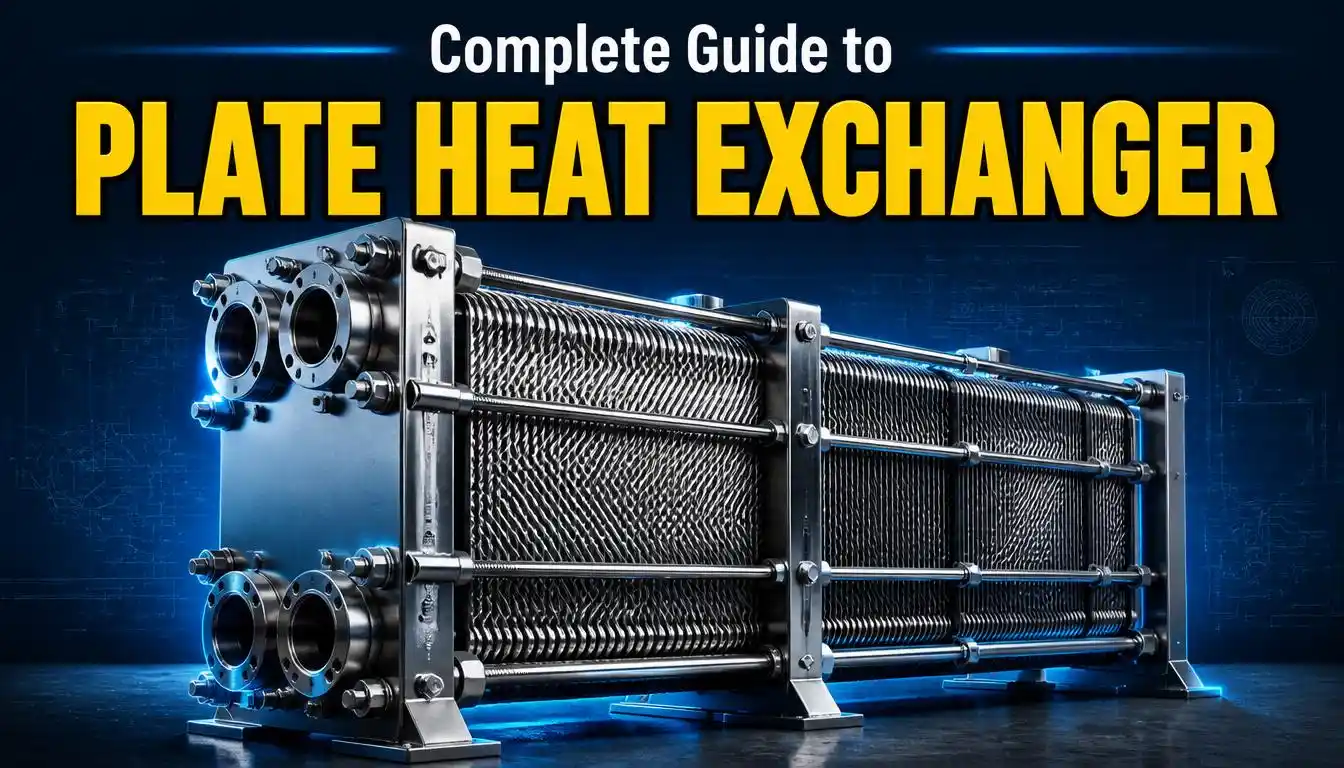
2. Plate Heat Exchanger
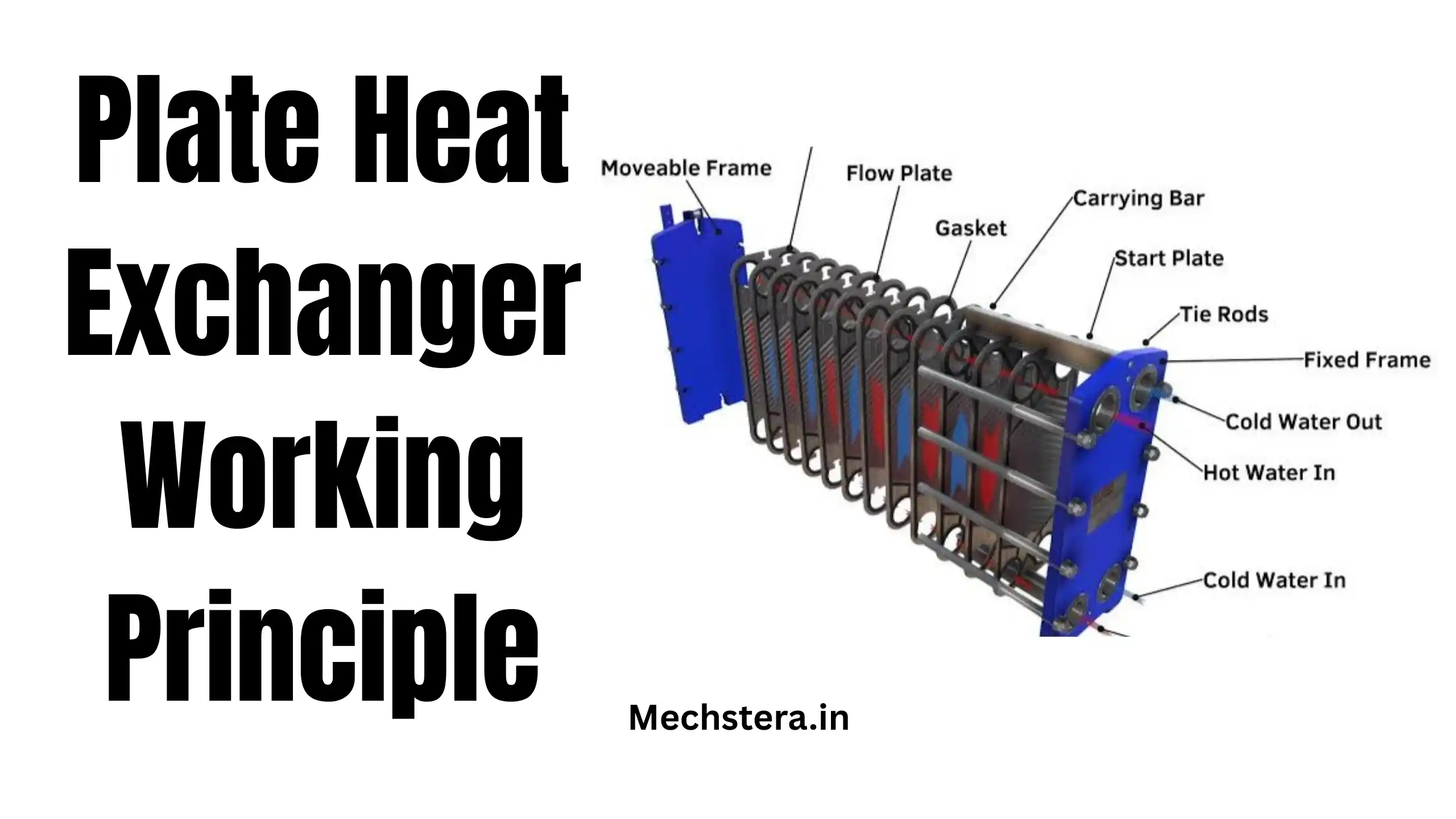
Plate heat exchangers use a series of thin, corrugated plates stacked together, creating channels for hot and cold fluids to flow alternately. They offer a much larger surface area relative to their size compared to shell and tube designs, making them compact and highly efficient for applications like HVAC and food processing.
3. Air-Cooled Heat Exchanger
These use ambient air, often forced by fans, as the cooling medium instead of a liquid. They’re common in locations where water is scarce or in applications like radiators and industrial cooling towers.
4. Plate-Fin Heat Exchanger
Used extensively in aerospace and cryogenic applications, these exchangers use finned plates to maximize surface area within a compact, lightweight structure.
5. Double Pipe Heat Exchanger
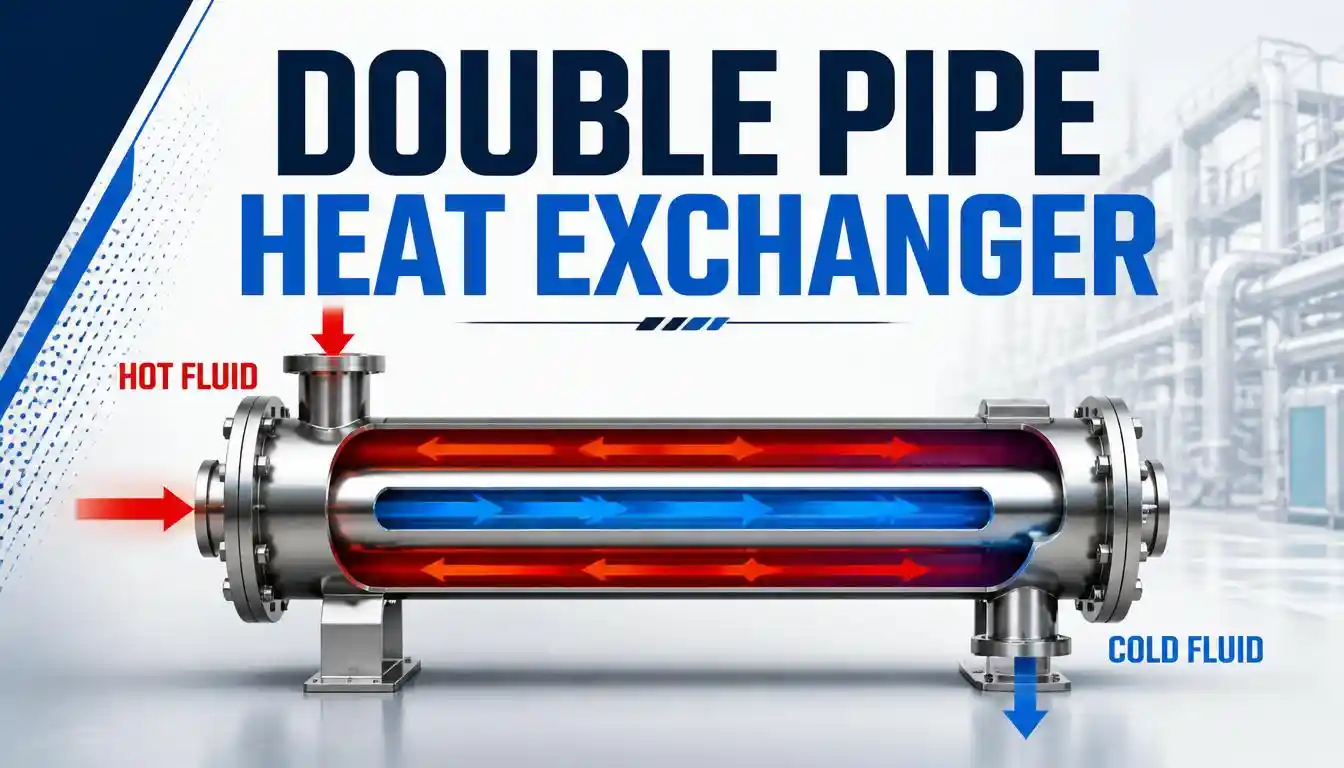
One of the simplest designs, consisting of one pipe inside another. The inner pipe carries one fluid while the annular space between the two pipes carries the other. It’s easy to maintain but limited in capacity for large-scale heat transfer needs.
For a more visual breakdown of these configurations, R.L. Deppmann’s guide on heat exchanger types is a useful supplementary read.
Shell and Tube Heat Exchanger: A Closer Look
Given how frequently people search for a shell and tube heat exchanger PDF, it’s worth diving a little deeper into this specific design since it remains the industry standard for large-scale thermal applications.
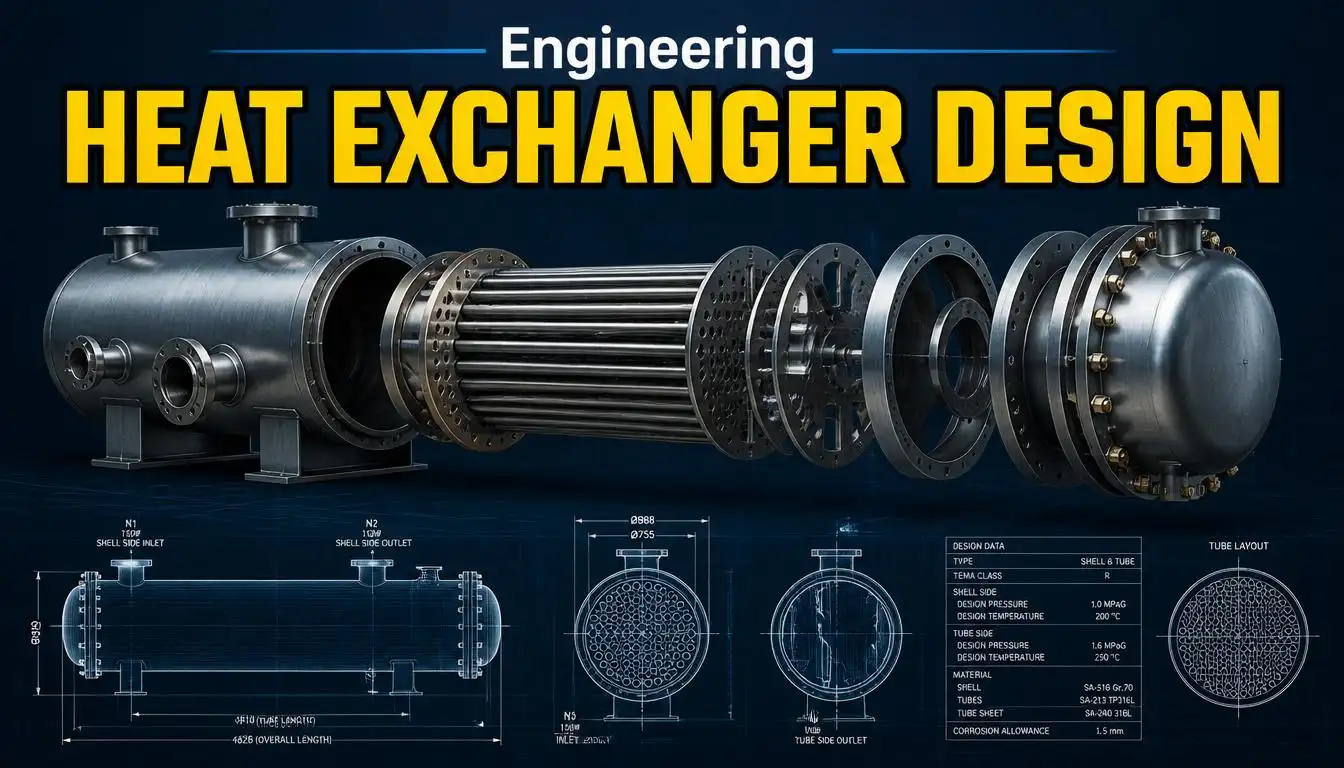
A shell and tube heat exchanger consists of these key components:
- Shell – The outer cylindrical casing that houses the tube bundle
- Tube bundle – A series of parallel tubes through which one fluid flows
- Tube sheets – Plates that hold the tubes in position at each end
- Baffles – Internal plates that direct fluid flow across the tube bundle, increasing turbulence and improving heat transfer
- Headers/end caps – Direct fluid into and out of the tube side
Shell and tube exchangers come in several sub-configurations, including fixed tube sheet, U-tube, and floating head designs, each chosen based on factors like maintenance access, thermal expansion tolerance, and fouling resistance. According to IQS Directory’s overview of shell and tube exchangers, multi-pass designs are often used specifically to increase fluid velocity and improve turbulence, which enhances overall thermal performance.
These exchangers are typically designed and rated according to standards set by organizations such as ASME and TEMA, ensuring consistent safety and performance benchmarks across the industry. You can find detailed engineering design principles in Thermopedia’s shell and tube heat exchanger reference.
Common Heat Exchanger Problems and Solutions
Many engineers specifically search for heat exchanger problems and solutions PDF resources because real-world operational issues are just as important to understand as design theory. Here are the most frequent problems encountered and how they’re typically addressed:
1. Fouling and Scaling
Problem: Deposits build up on heat transfer surfaces over time, reducing efficiency and increasing pressure drop.
Solution: Regular cleaning schedules, chemical treatment of process fluids, and selecting appropriate materials or coatings that resist scale formation.
2. Corrosion
Problem: Chemical reactions between the fluid and exchanger materials degrade tubes and shells over time, sometimes leading to leaks.
Solution: Using corrosion-resistant materials (like stainless steel or titanium), applying protective coatings, and monitoring fluid chemistry closely.
3. Tube Vibration and Fatigue
Problem: High-velocity flow can cause tubes to vibrate, leading to fatigue cracks and eventual failure.
Solution: Proper baffle spacing, tube support design, and flow velocity control during the design phase help minimize vibration risks.
4. Thermal Expansion Stress
Problem: Differing temperatures between shell and tube sides cause uneven expansion, creating mechanical stress.
Solution: U-tube or floating head designs allow tubes to expand independently of the shell, reducing stress buildup.
5. Reduced Heat Transfer Efficiency
Problem: Over time, air pockets, fouling, or incorrect flow rates can cause a noticeable drop in thermal performance.
Solution: Routine performance audits, proper venting, and maintaining design flow rates help sustain efficiency.
For engineers looking to go deeper into the design calculations behind these solutions, Altex’s expert guide to shell and tube heat exchanger design covers tube pitch, layout configurations, and relevant industry codes like TEMA and API standards in more technical detail.
Why Downloadable PDF Resources Matter
Searching for a heat exchanger PDF or heat exchangers PDF isn’t just about convenience — printable, offline-accessible references are especially valuable for:
- Engineering students preparing for exams or lab work
- Field technicians who need quick reference material without internet access
- Process engineers documenting design specifications for reports
- Anyone comparing heat exchanger types side-by-side for a project
While this article consolidates the core concepts, always cross-reference with your textbook or organizational standards (like TEMA or ASME) when working on formal engineering designs, as those bodies publish authoritative technical documentation for professional use.
Final Thoughts
Understanding heat exchangers — their types, working principles, and common failure points — is essential whether you’re studying thermal engineering or maintaining industrial equipment. Shell and tube designs remain the backbone of large-scale industrial heat transfer, while plate and air-cooled variants serve more specialized or compact applications. By understanding the common problems outlined above, you’ll be better equipped to diagnose issues before they escalate into costly downtime.
If you’re compiling your own study notes or technical documentation, consider organizing this information into a structured PDF for easy reference — it’s one of the most practical ways to keep this knowledge accessible for future projects.