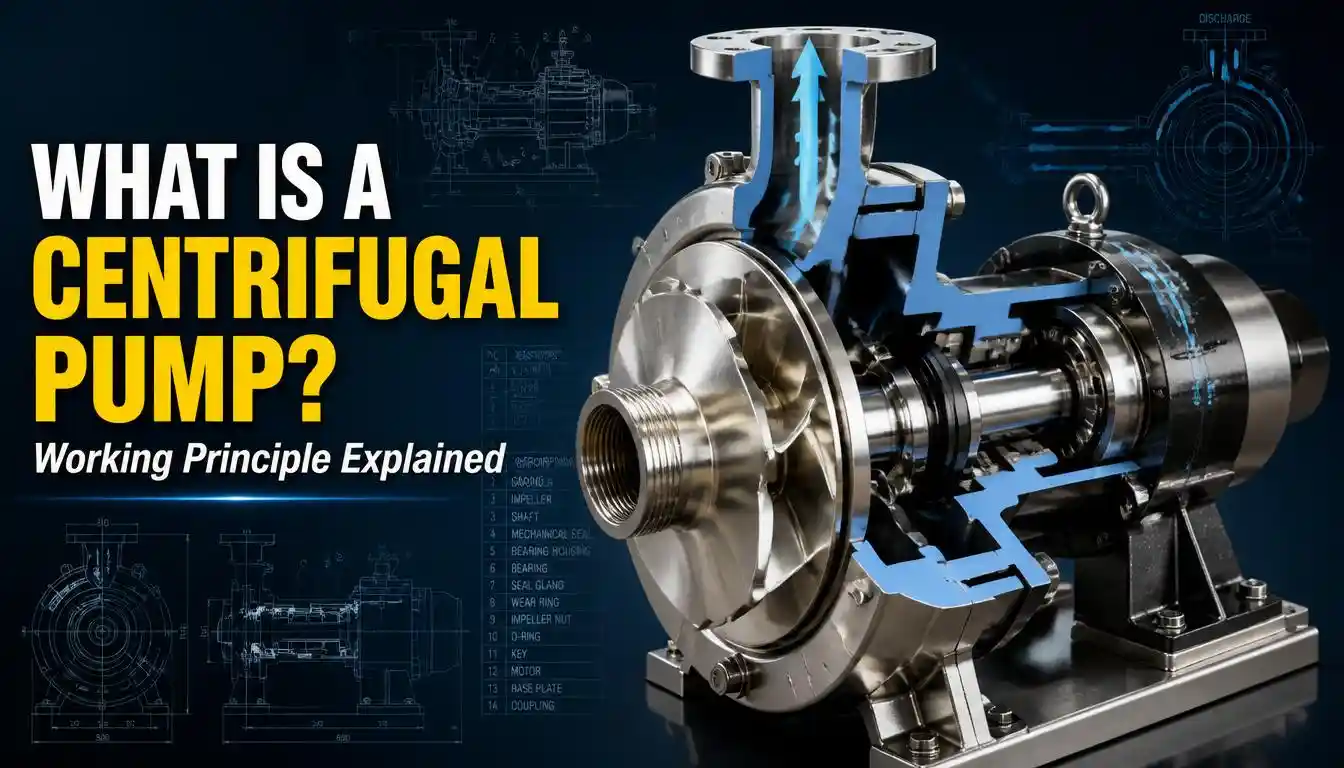
If you’ve ever wondered what is a centrifugal pump, the short answer is simple: it’s a mechanical device that moves liquid by converting rotational kinetic energy into hydrodynamic (flow) energy. But that one-line definition barely scratches the surface of why centrifugal pumps power almost every fluid-handling system on earth — from your home water supply to massive refinery cooling loops.
In this guide, we’ll explain centrifugal pump working principles in plain language, break down every major part, look at how they compare to other pump types, and cover real-world centrifugal pump uses across industries.
Definition of Centrifugal Pump
The simplest definition of a centrifugal pump is this: a rotodynamic pump that uses a rotating impeller to increase the velocity of a fluid, which is then converted into pressure energy as the fluid exits the pump casing. According to Wikipedia’s technical overview, centrifugal pumps are a sub-class of dynamic, axisymmetric, work-absorbing turbomachinery — meaning they add energy to the fluid rather than trapping and displacing it mechanically like piston or gear pumps do.
In everyday terms: fluid enters near the center (eye) of a spinning impeller, gets flung outward by centrifugal force, and exits at much higher pressure and velocity than it entered with.
How Does a Centrifugal Pump Work? (Working Principle)
To explain the centrifugal pump working principle step by step:
- Priming: The pump casing is filled with liquid before startup so no air is trapped inside.
- Fluid Entry: Liquid enters through the suction pipe into the “eye” of the impeller, at or near the center of rotation.
- Energy Transfer: The impeller, driven by an electric motor, spins at high speed. Its curved vanes impart kinetic energy to the fluid.
- Centrifugal Action: As the fluid moves outward along the impeller vanes, centrifugal force increases both its velocity and pressure.
- Conversion in the Volute: The high-velocity fluid enters the volute (spiral-shaped casing) or diffuser, where velocity energy is gradually converted into pressure energy.
- Discharge: The pressurized fluid exits through the discharge pipe to the rest of the system.
This continuous cycle is what allows centrifugal pumps to deliver steady, high-flow output with relatively simple mechanical design — something Engineering ToolBox’s centrifugal pump reference also highlights as a key reason for their widespread industrial adoption.
Main Parts of a Centrifugal Pump
Understanding the parts makes the working principle much easier to visualize:
- Impeller: The rotating component with curved vanes that transfers energy to the fluid. It’s often called the “heart” of the pump.
- Casing (Volute): The spiral-shaped housing that converts kinetic energy into pressure energy and directs flow to the discharge outlet.
- Shaft: Connects the impeller to the motor and transmits rotational torque.
- Suction & Discharge Nozzles: Inlet and outlet connections for the fluid.
- Mechanical Seal / Stuffing Box: Prevents leakage where the rotating shaft passes through the stationary casing. If you want a deeper look at seal design and selection, check out our guide to types of mechanical seals.
- Bearings: Support the shaft and keep it aligned during rotation.
- Wear Rings: Reduce internal recirculation losses between the impeller and casing.
Centrifugal Pump vs Positive Displacement Pump
A common point of confusion for beginners is how centrifugal pumps differ from positive displacement pumps. In short:
- Centrifugal pumps transfer energy continuously via a rotating impeller — flow varies with system pressure (head).
- Positive displacement pumps trap a fixed volume of fluid and push it out mechanically — flow stays constant regardless of pressure changes.
Centrifugal pumps generally suit low-viscosity fluids like water, while positive displacement pumps are better for thicker or more viscous liquids. For a full breakdown, read our detailed article on positive displacement pump types and how they work.
Types of Centrifugal Pumps
Centrifugal pumps come in several configurations depending on application needs:
- End-suction pumps – the most common type, used in water supply, HVAC, and irrigation.
- Split-case pumps – used for high-flow applications like municipal water systems.
- Vertical multistage pumps – used where high pressure is needed in a compact footprint.
- Submersible and immersible pumps – designed to operate while submerged in the fluid.
- Self-priming centrifugal pumps – capable of removing air from the suction line without manual priming.
Grundfos’s pump learning resource offers a good visual comparison of these variants if you want to explore further.
Centrifugal Pump Uses & Applications
Because of their simplicity, reliability, and ability to handle large flow rates, centrifugal pumps are used almost everywhere fluid needs to move:
- Centrifugal water pump systems for municipal water supply and residential pressure boosting
- Sewage and wastewater treatment plants
- Agricultural irrigation systems
- Oil, gas, and petrochemical processing
- HVAC circulation and cooling tower systems
- Fire protection and firefighting systems
- Chemical processing and slurry transport
Common Problems in Centrifugal Pumps
Even well-designed centrifugal pumps can run into operational issues, most of which trace back to two core concepts every engineer should understand:
- Cavitation: Occurs when local pressure drops below the fluid’s vapor pressure, forming vapor bubbles that collapse violently and damage the impeller. Learn more in our article on cavitation in centrifugal pumps.
- Insufficient NPSH: Poor suction conditions can starve the pump of the head it needs to operate safely. See our detailed explanation of Net Positive Suction Head (NPSH).
- Seal leakage and wear from misalignment or improper seal selection.
- Unstable flow or vibration from operating far outside the pump’s best efficiency point (BEP).
Final Thoughts
So, to sum up what is a centrifugal pump: it’s a rotodynamic machine that uses a spinning impeller to convert mechanical energy into fluid velocity, then pressure — making it one of the most widely used pump types across industrial, municipal, and domestic applications. Whether you’re specifying a centrifugal water pump for a residential booster system or troubleshooting cavitation on a process pump, understanding the core working principle and parts gives you a strong foundation for everything else in pump engineering.
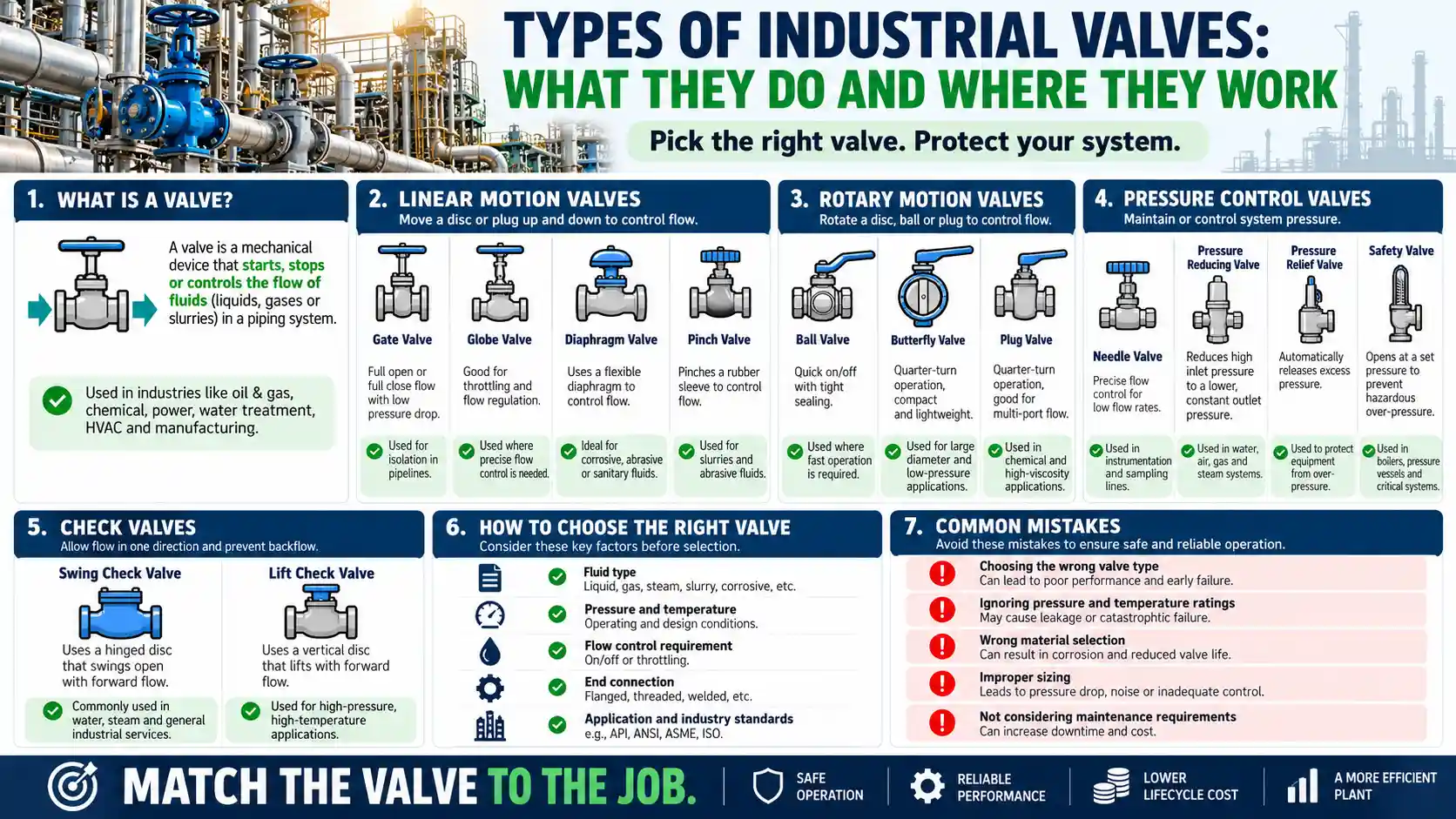
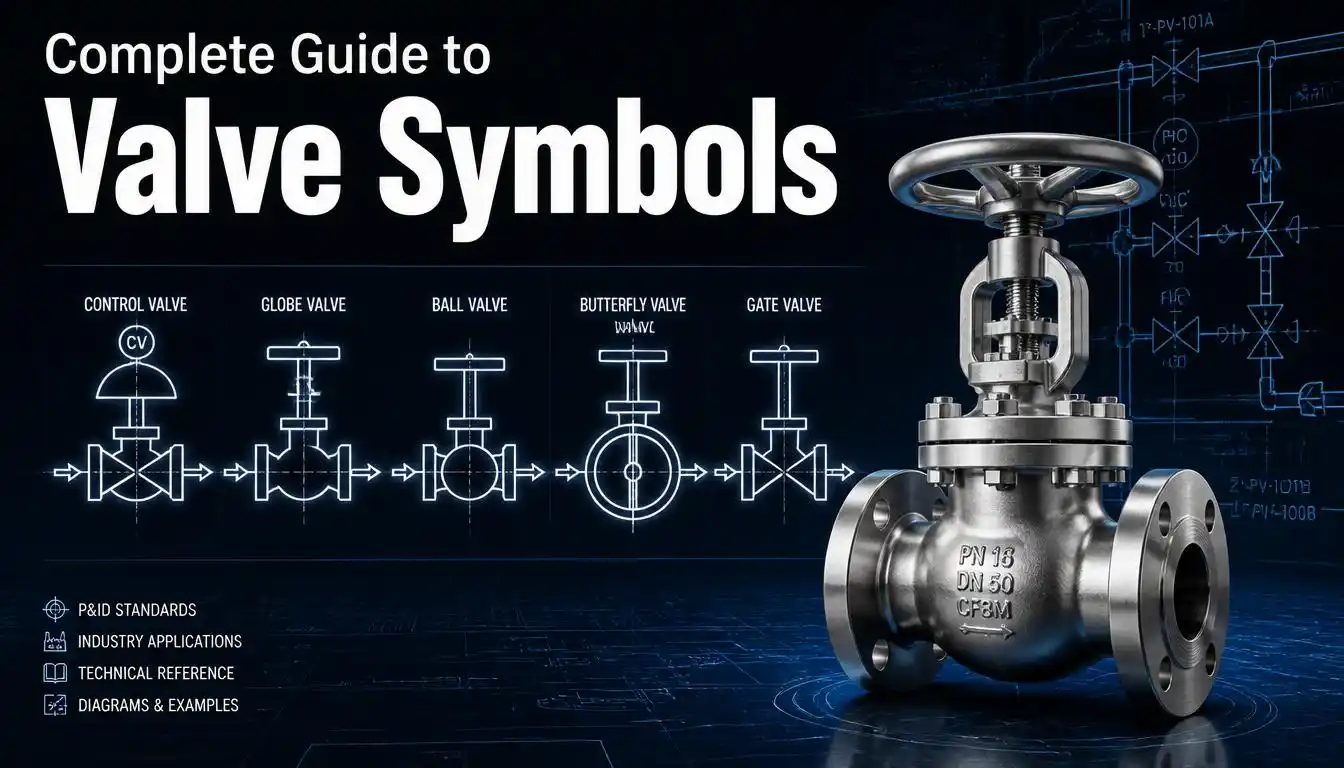
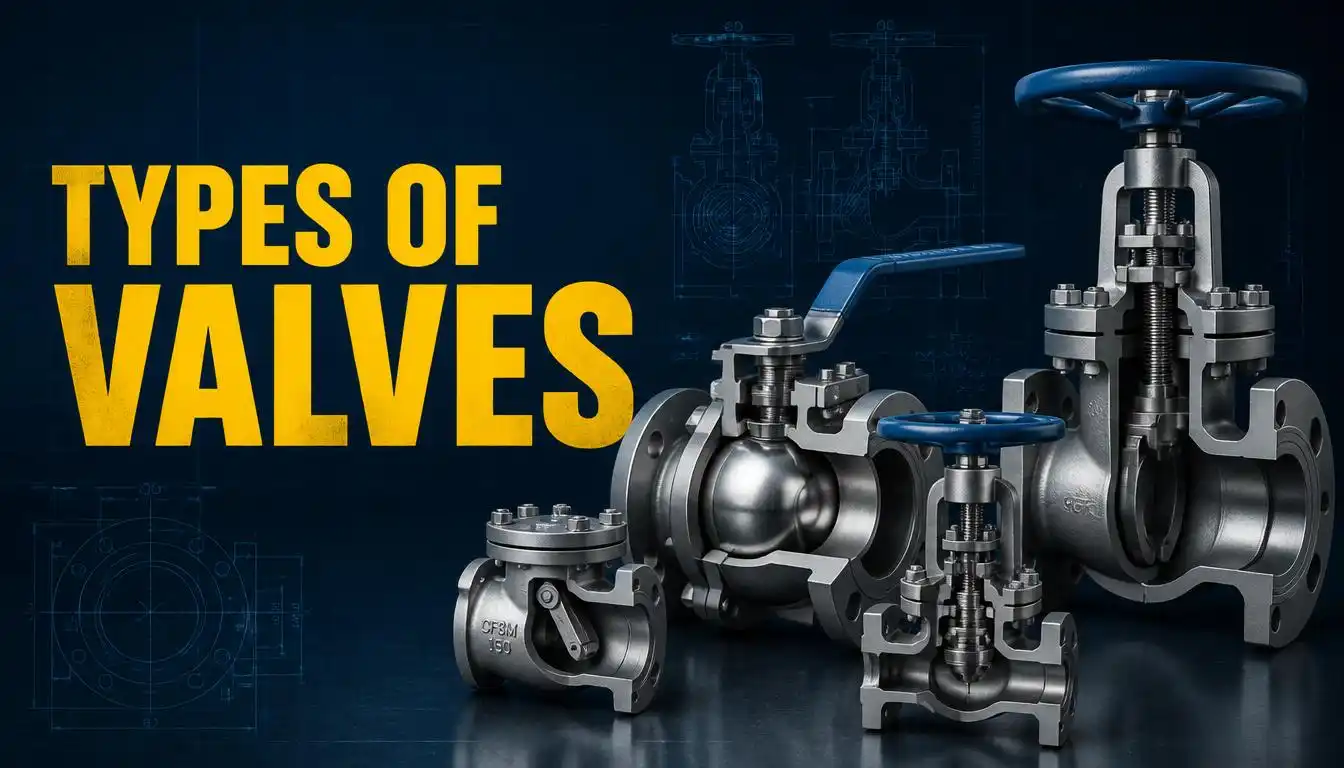
Want to go deeper into related fluid-system components? Check out our guides on types of valves and what is a control valve to understand how flow is regulated downstream of your pump.